Independent advice for UK buyers. If you buy through our links we may earn a commission. It never changes our verdicts.Independent UK advice. We may earn from links.How we are funded
Small enough to carry every day, this Belkin gave our iPhone 17 a useful emergency top-up, stayed secure while walking and was comfortable to use while charging. We used it for a month to see where it fits into everyday life.
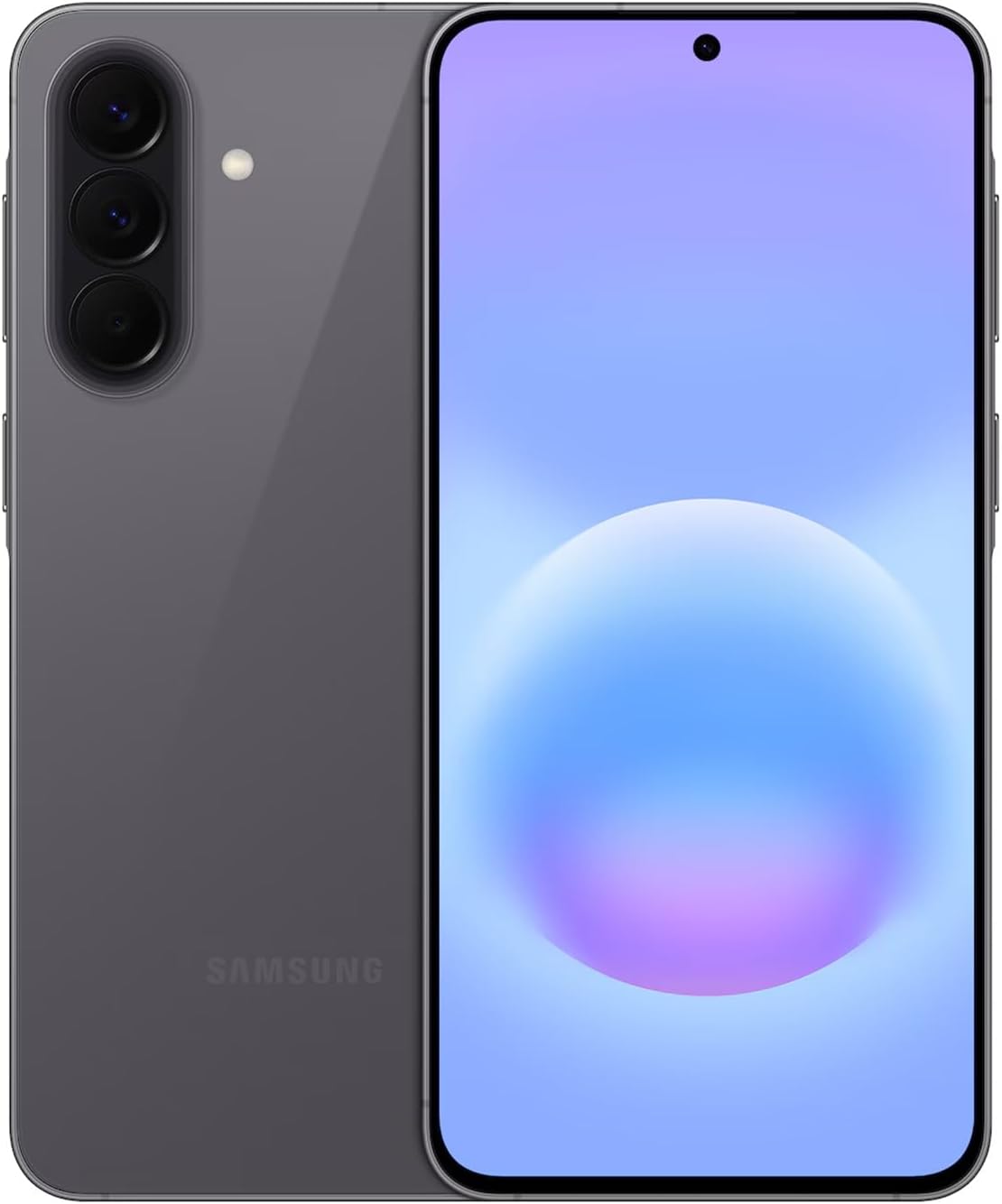
The Galaxy A56 5G is a mid-range Samsung with a large 6.7-inch 120Hz screen, a 50MP stabilised main camera and 45W charging support. This review covers its size, camera limits, charging costs and the software support left when you buy.
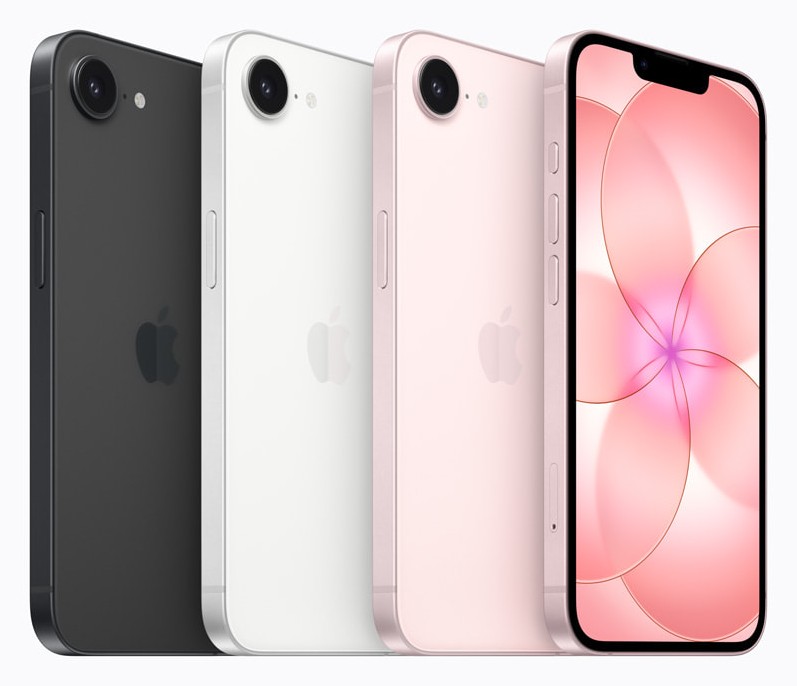
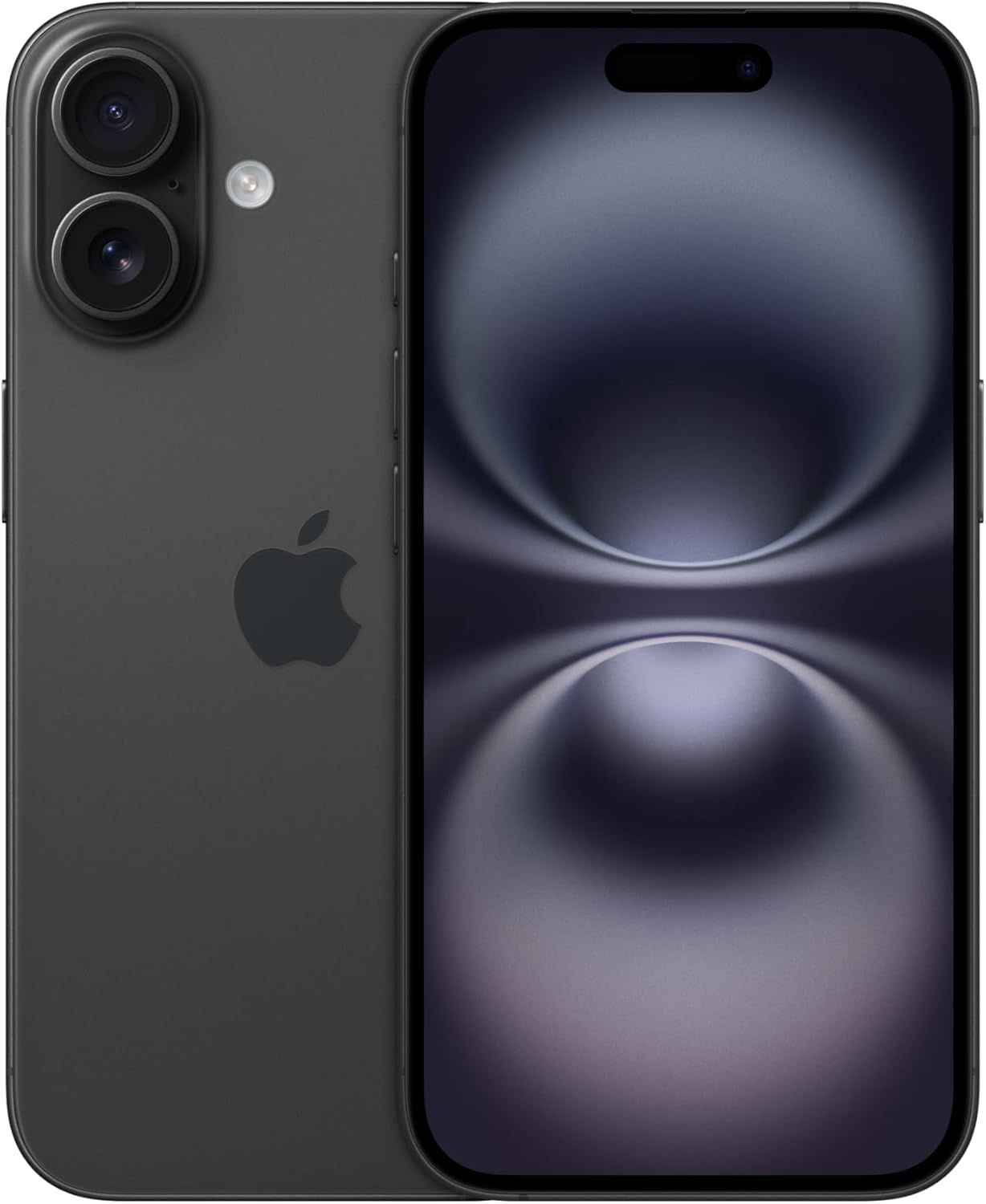
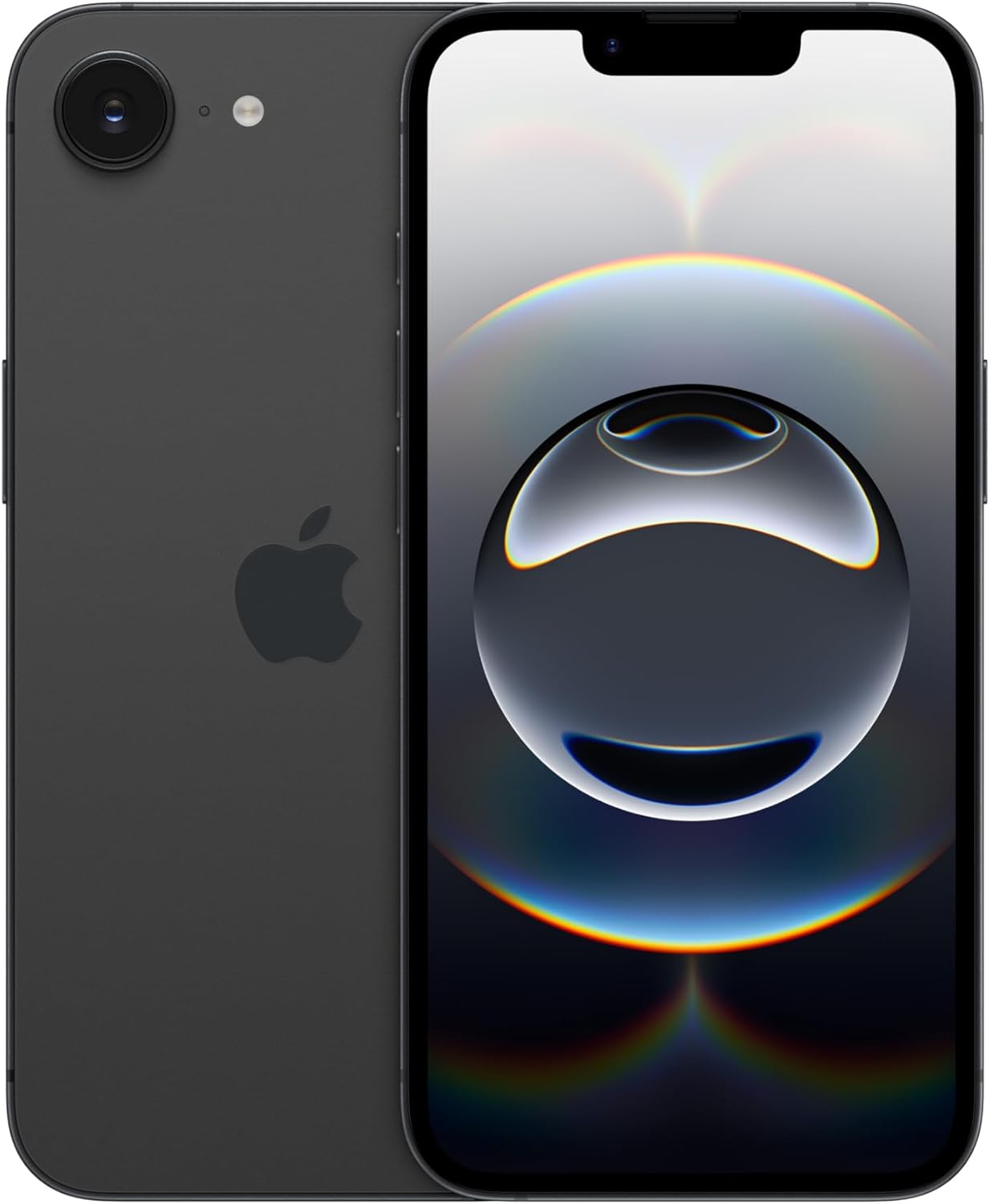
The iPhone 17e starts with 256GB of storage at £599, with Apple's A19 chip and a 6.1-inch OLED screen. The trade-offs are a single rear camera and a less fluid screen than many rivals.
A 6.57-inch camera phone with a 200MP main camera, a 3.5x telephoto and a large 6,400mAh battery. At £899.99 it sits against the best phones on sale, so its price is the sticking point.
The Nothing Phone 4a Pro has more personality than most £499 phones: a metal body, useful lights on the back and a proper zoom camera. It is large and has no wireless charging.
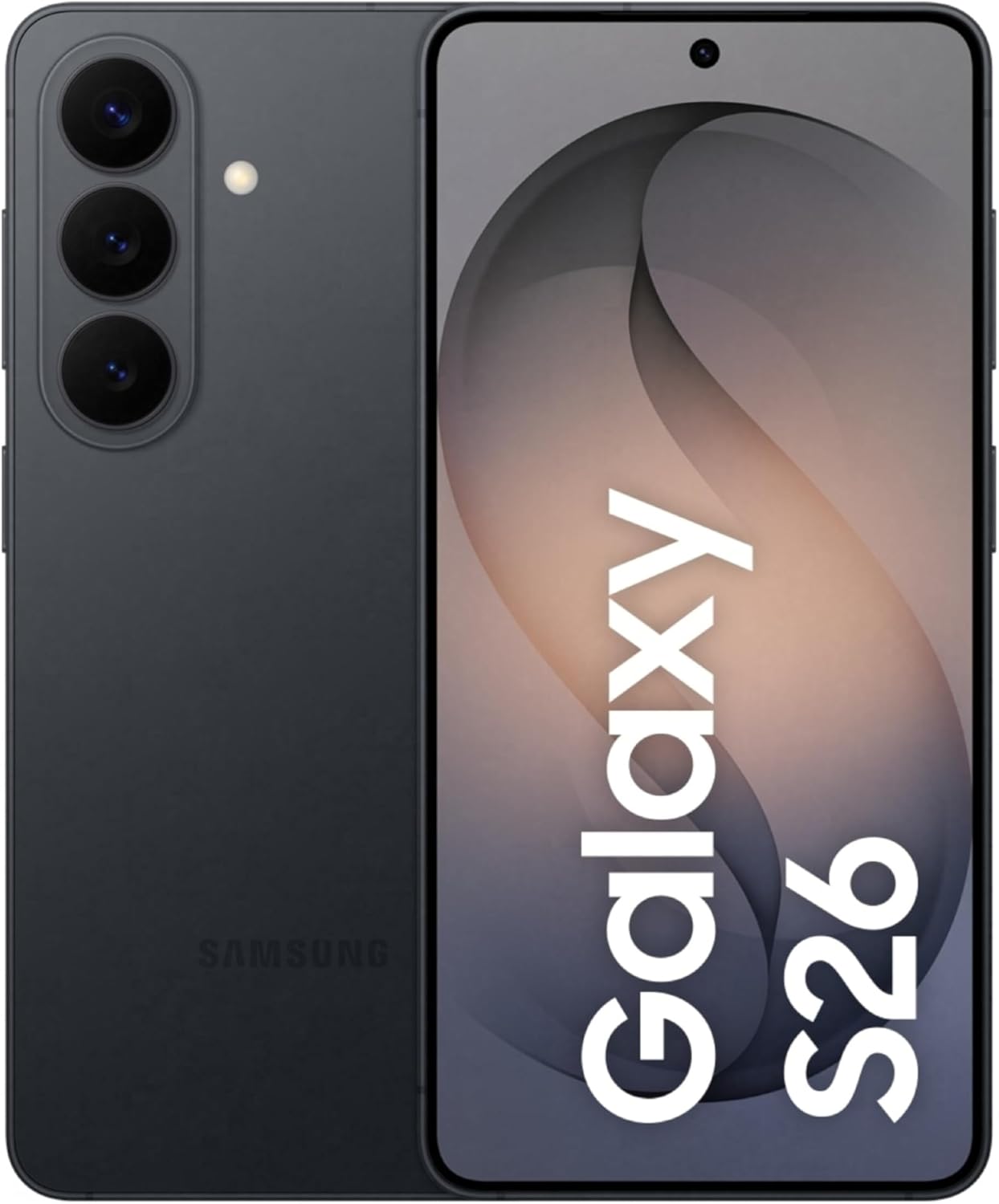
A 6.9mm-thin Samsung with a 6.7-inch Super AMOLED+ 120Hz screen, IP68 protection and six years of security updates. Performance and cameras are where the saving shows.
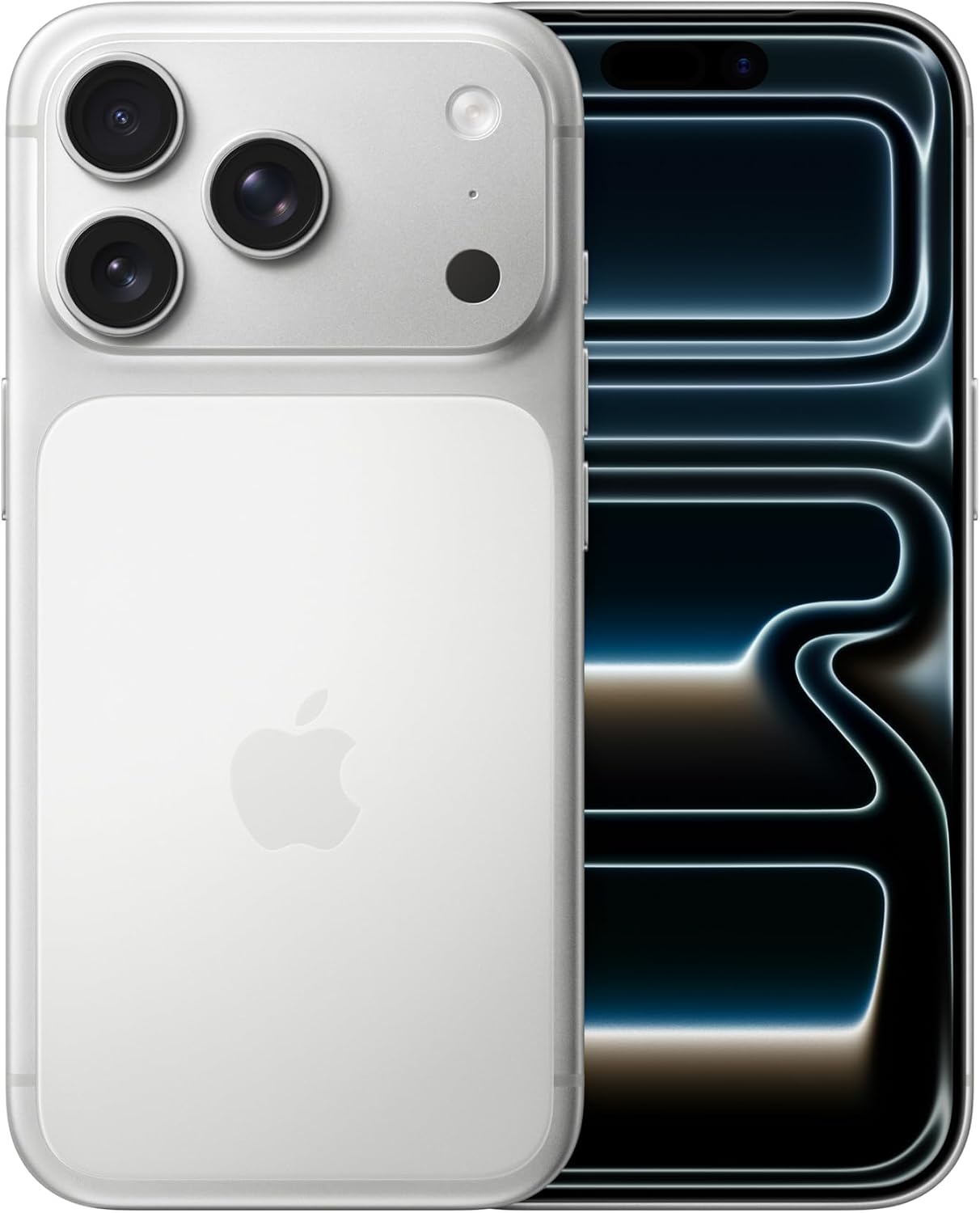
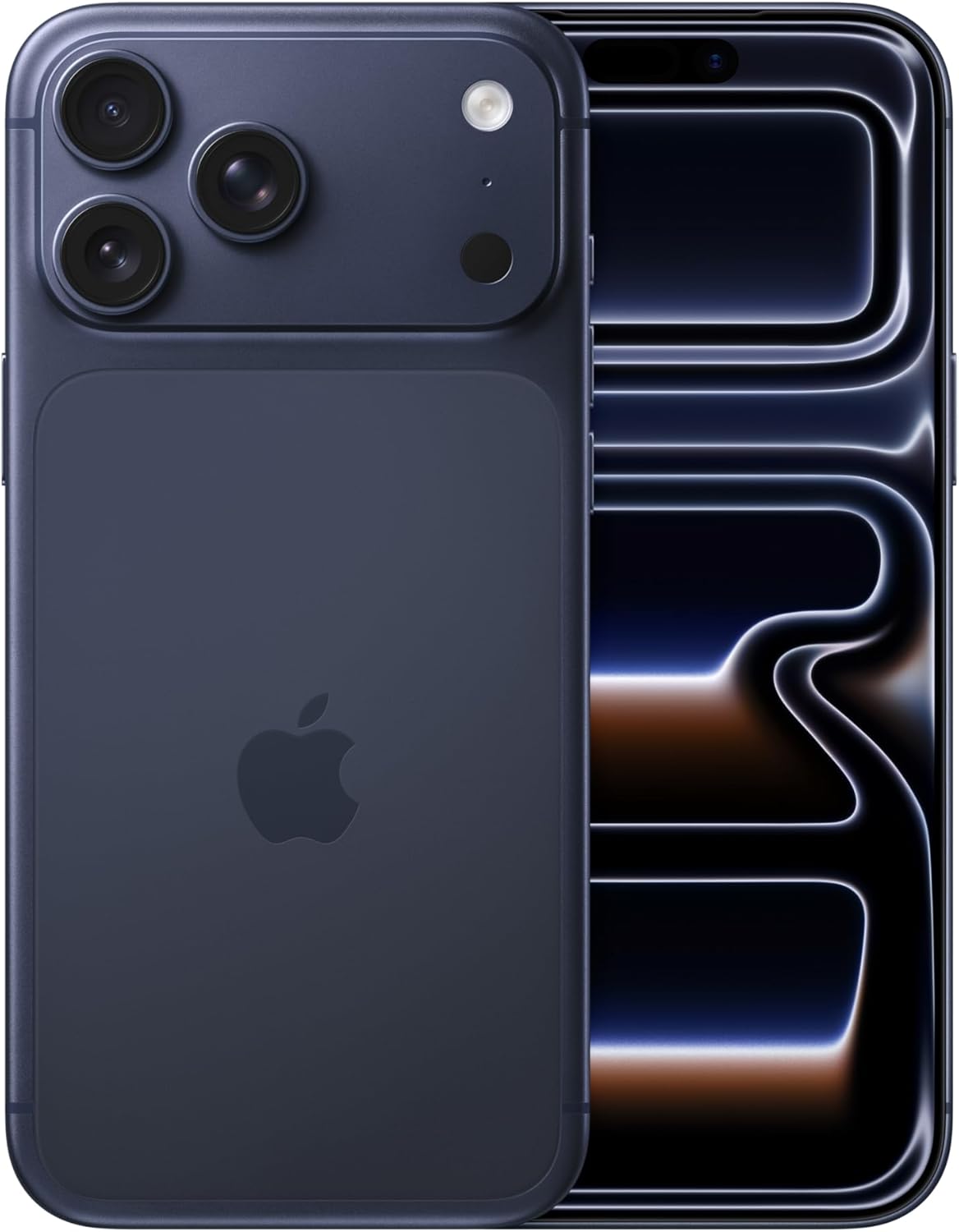
The smaller of Apple's two Pro iPhones: a 6.3-inch phone with main, ultrawide and 4x telephoto cameras, for people who want more camera flexibility without the largest handset.
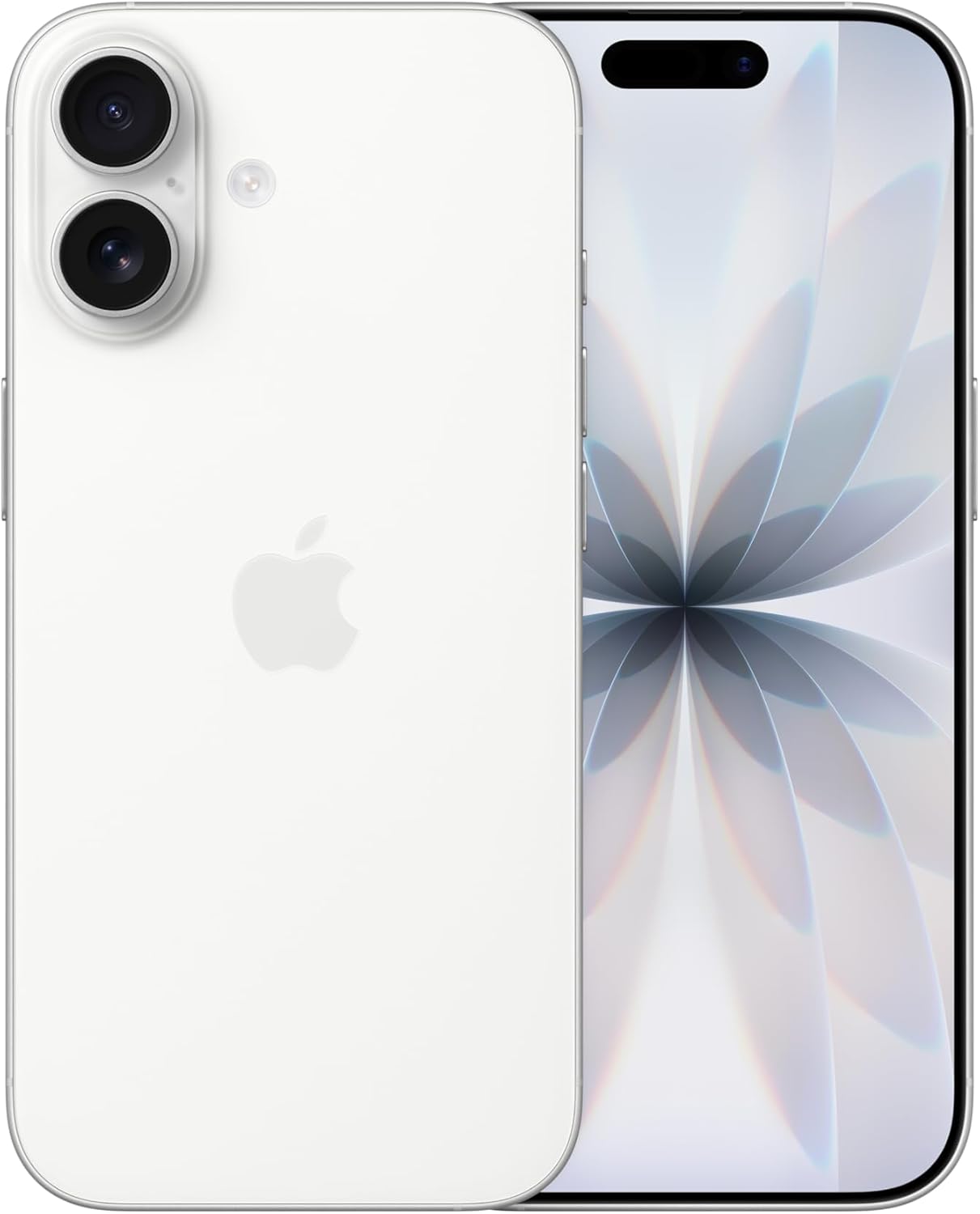
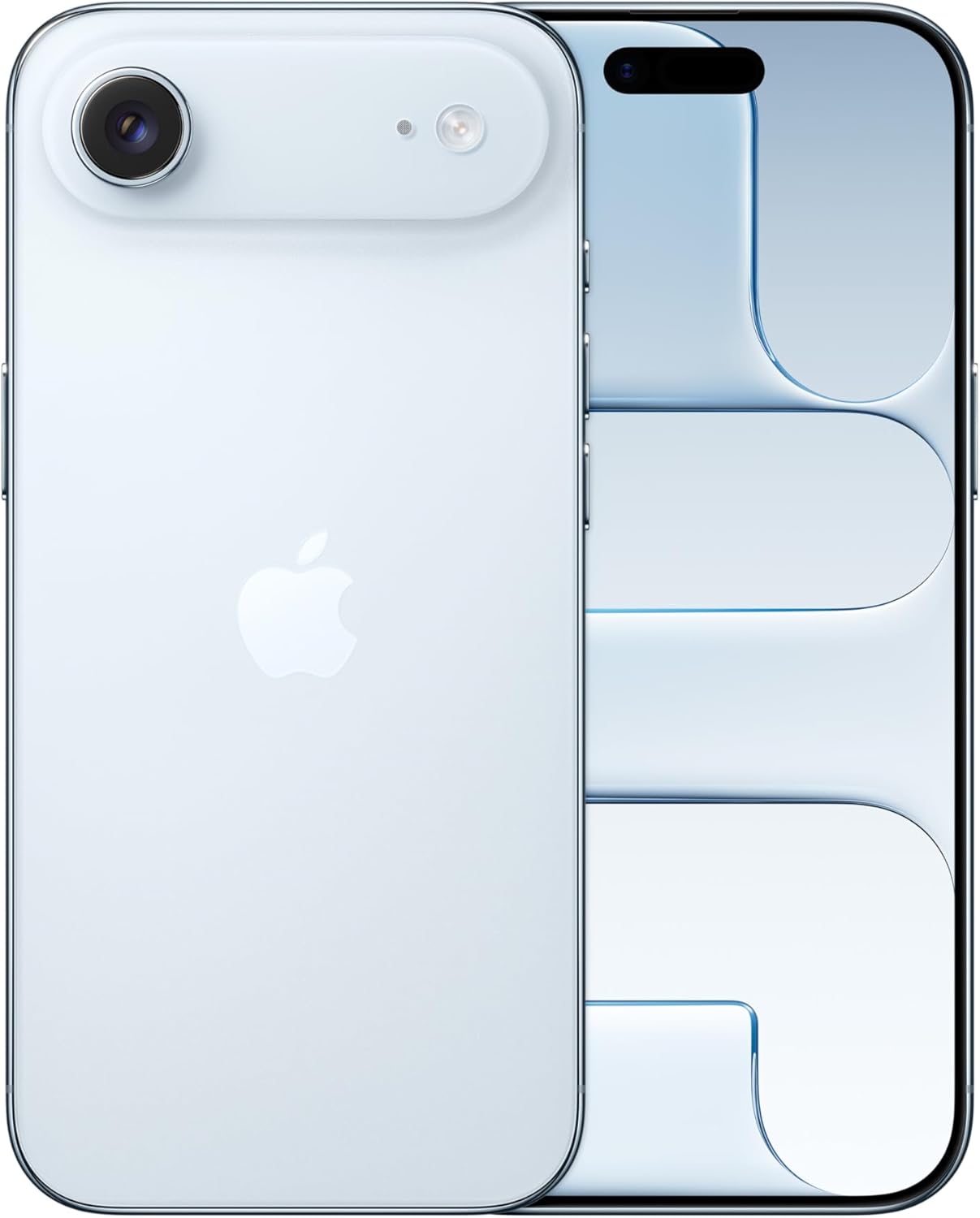
A 5.64mm-thin, 165g iPhone with a 6.5-inch screen, an A19 Pro chip and a single 48MP camera. It is about carrying comfort, and battery and speakers are the trade-offs.
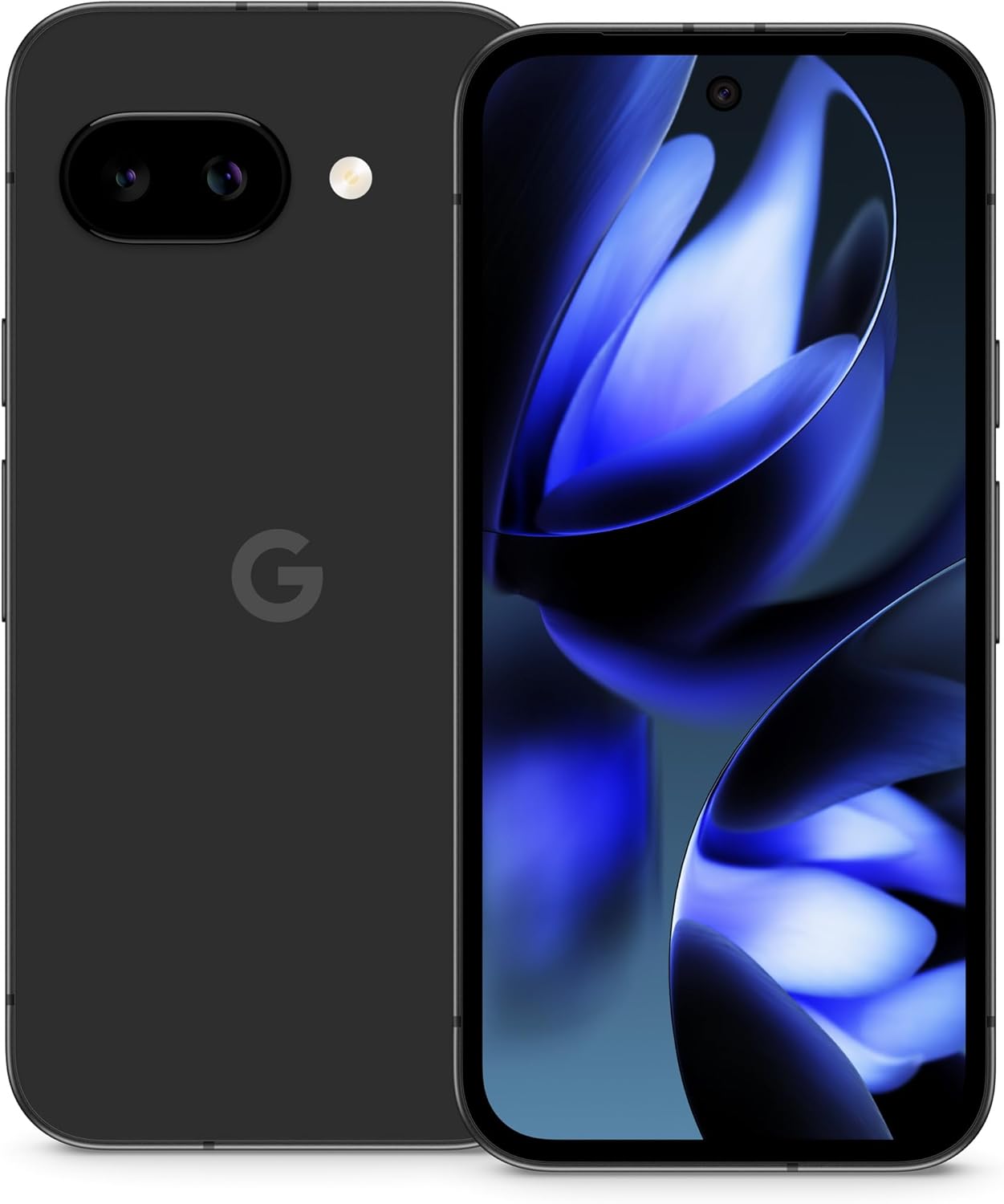
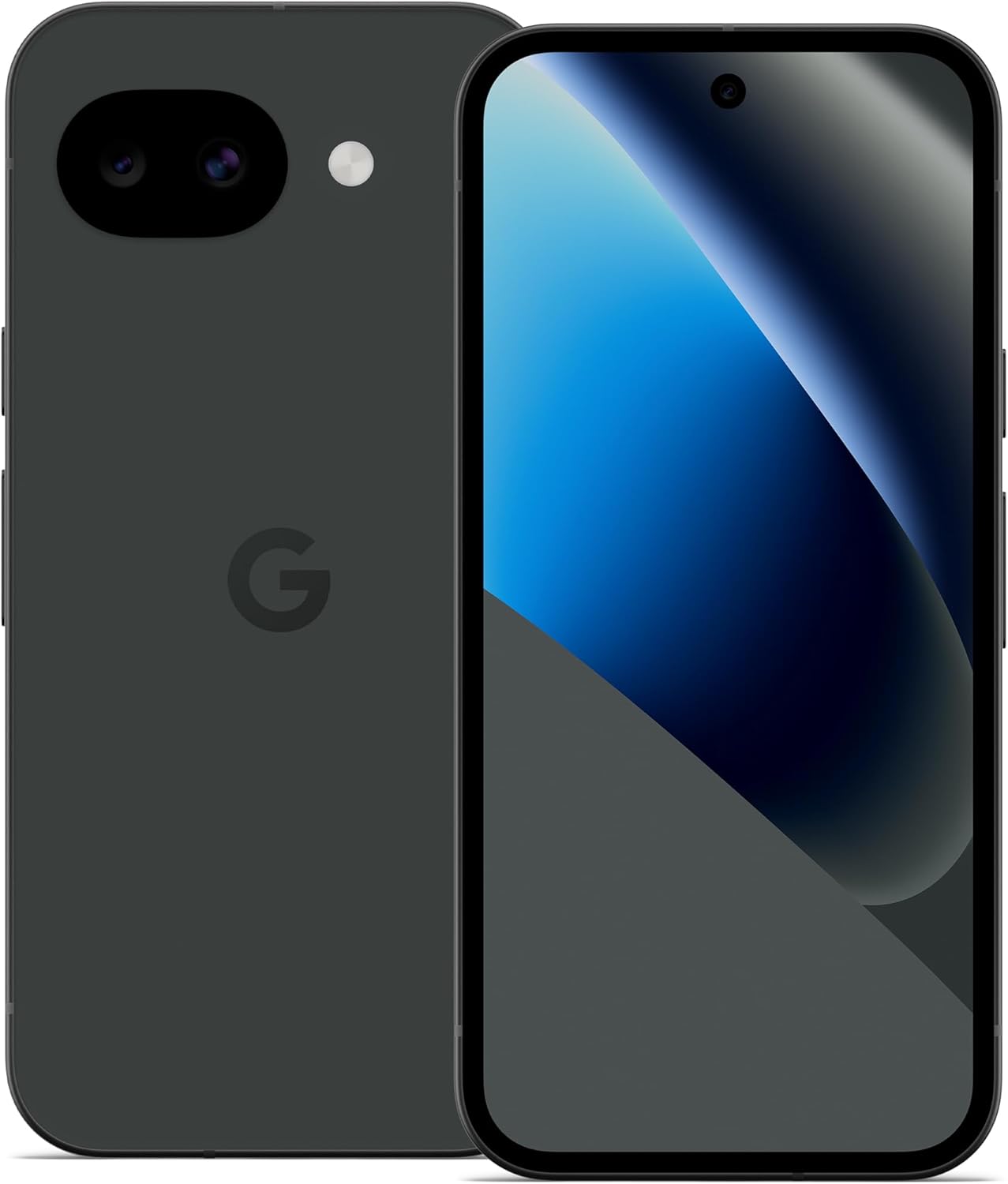
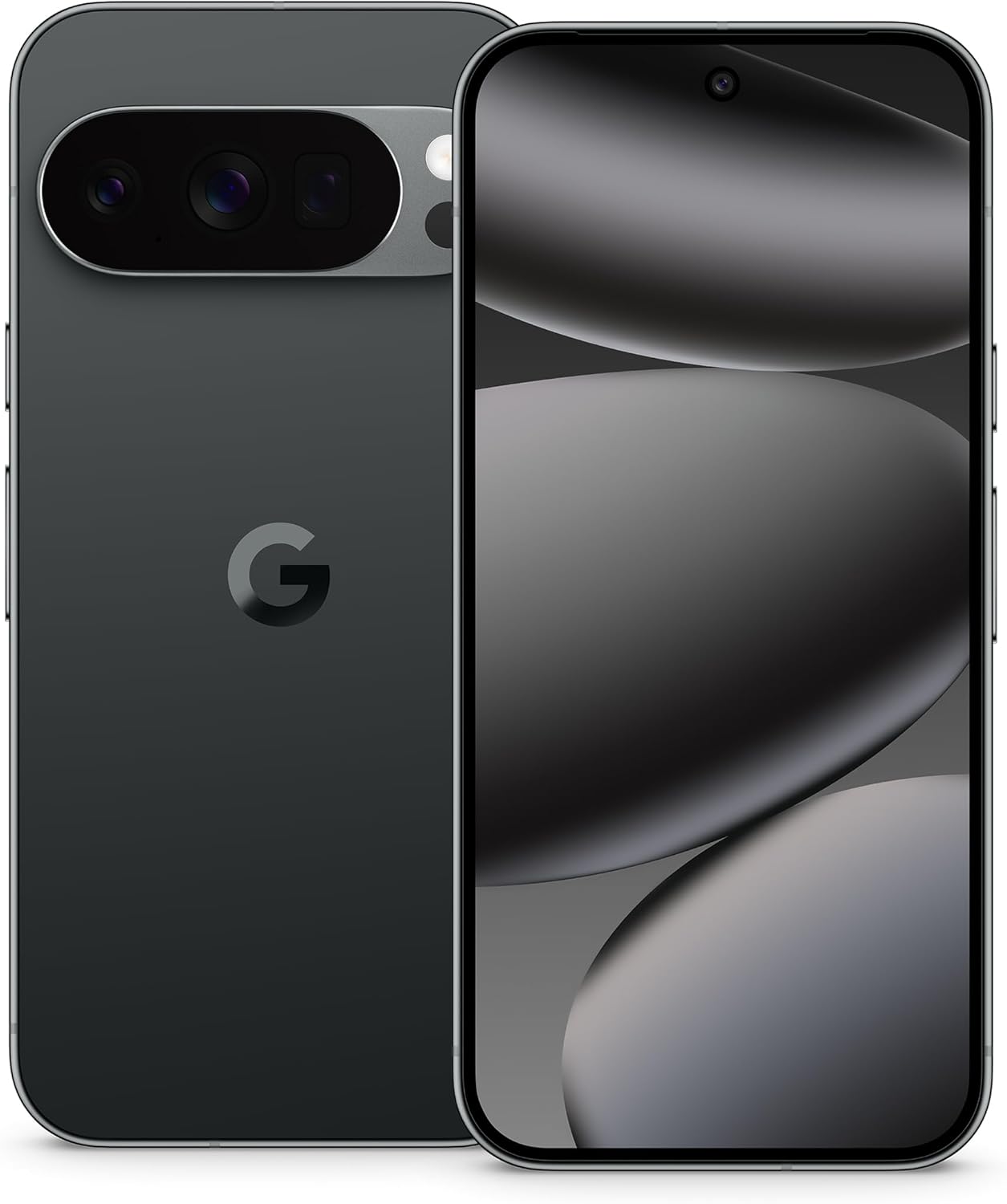
A 6.3-inch Google phone with a 48MP 5x telephoto camera for distant subjects, without the larger body of the Pro XL. Google promises seven years of updates.
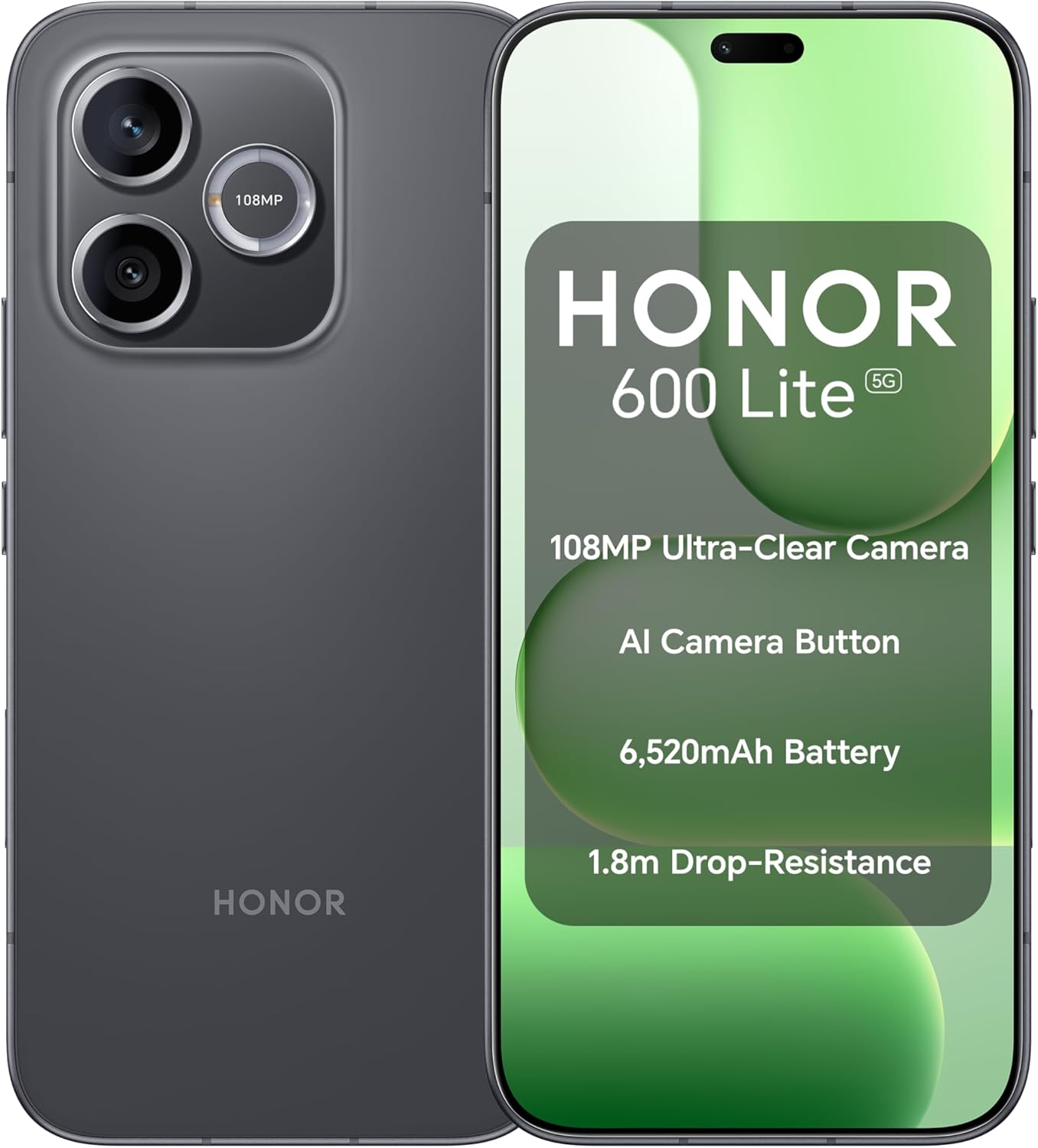
A 6.6-inch AMOLED phone with 256GB of storage and a 6520mAh battery. Worth a look for reading, watching and storing more, with the camera and battery claims kept in perspective.
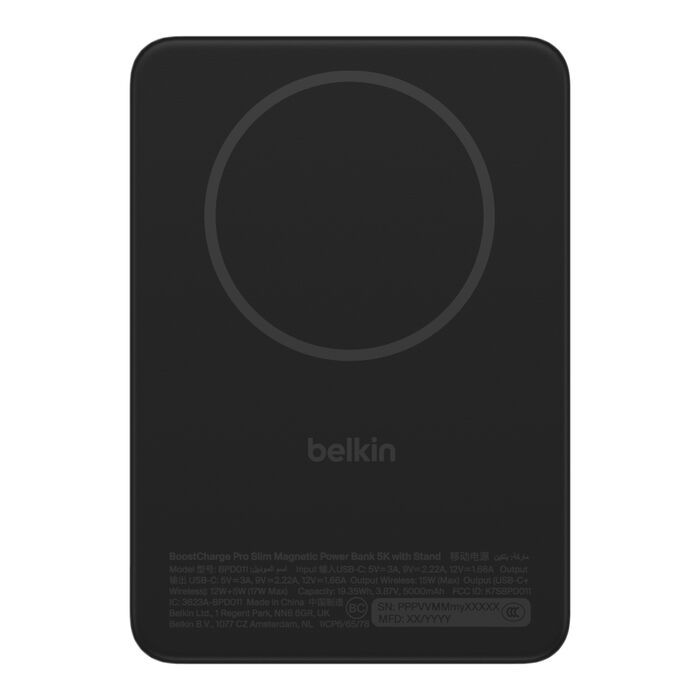 Manufacturer product image · Belkin UK
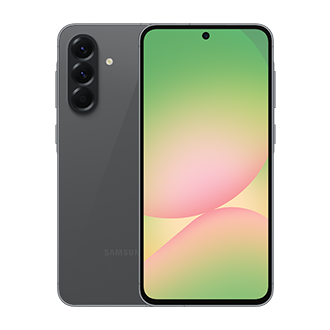 Samsung
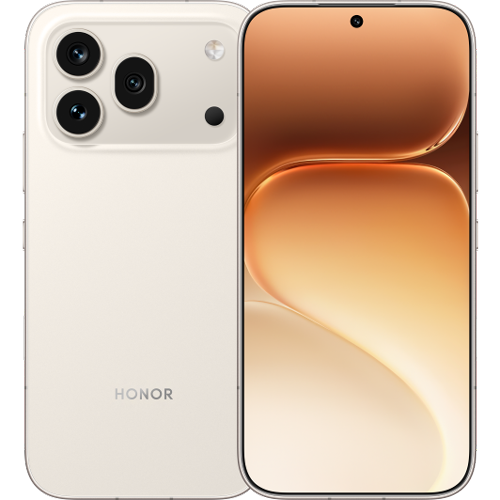 Manufacturer product image · Honor UK
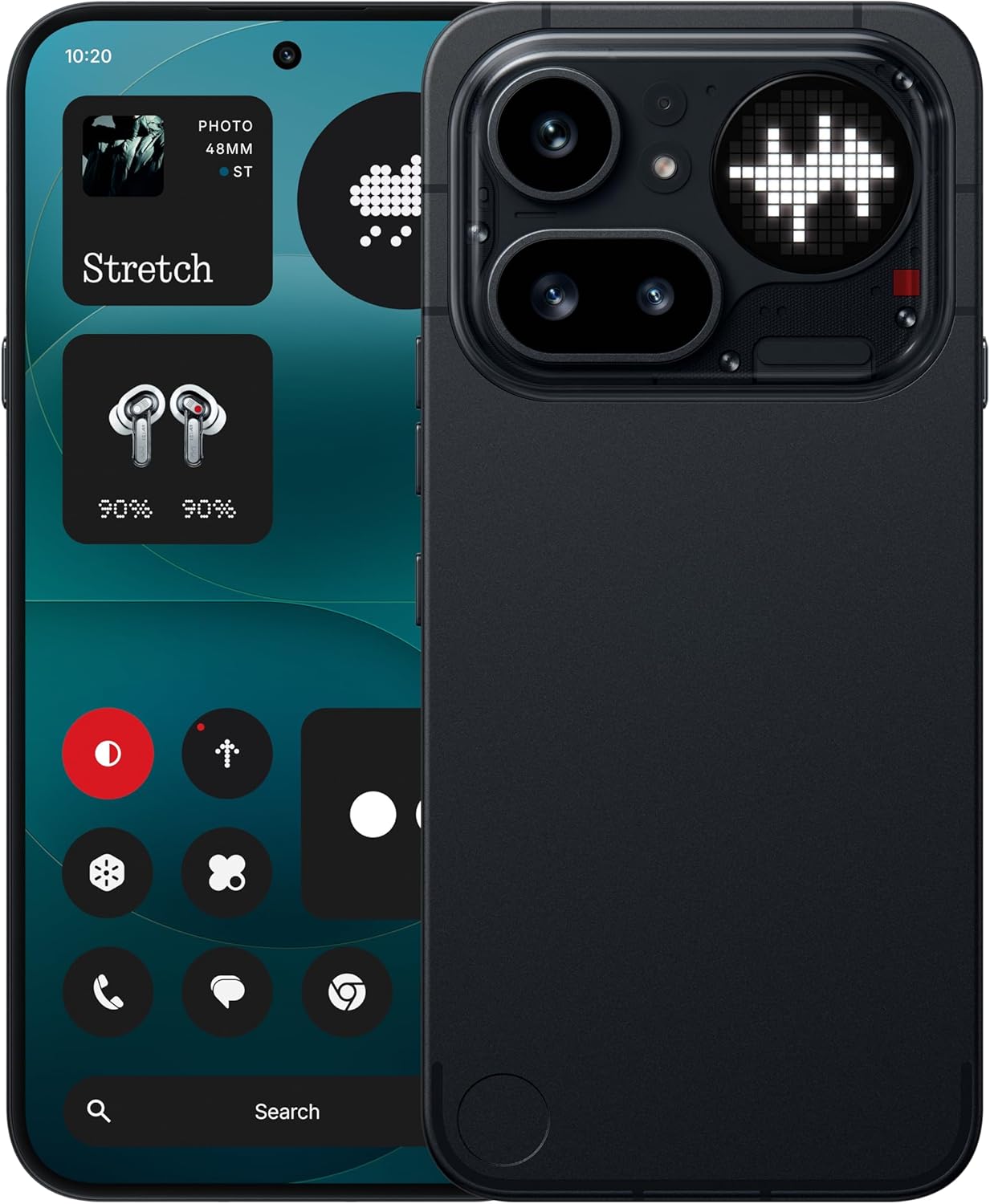 Amazon product listing image
 Amazon product listing image
 Amazon product listing image
 Amazon product listing image
 Amazon product listing image
 Amazon product listing image