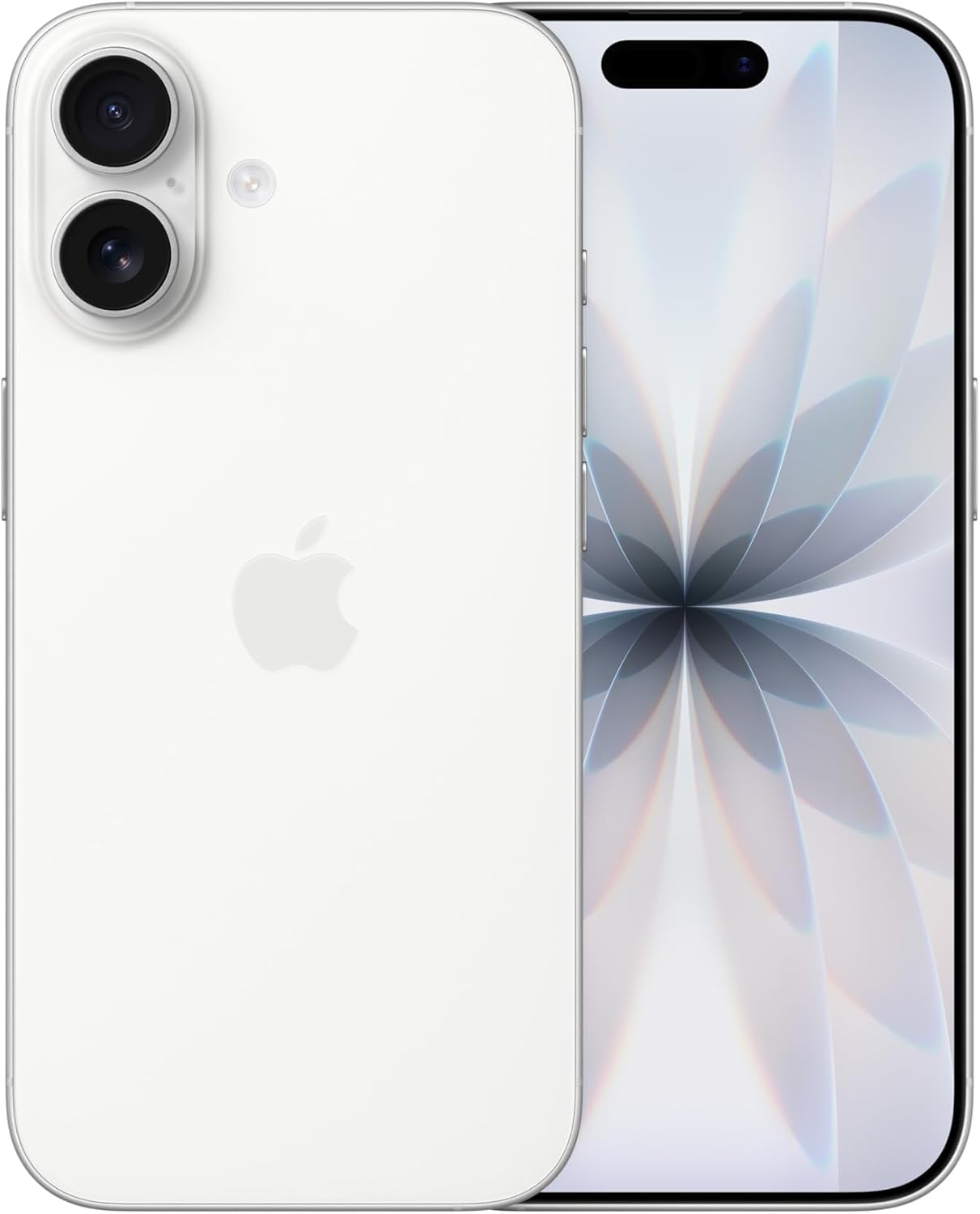
Apple iPhone 17
The easiest current iPhone to recommend, especially if you are replacing an iPhone 14 or older.
£799256GB, price recorded 30 Jul 2026
Check price on Amazon UKThe right iPhone depends on whether you need familiar basics, a more flexible camera or a lighter phone. Start with the standard iPhone 17, then pay more or accept fewer features only when that choice suits your day.
The easiest current iPhone to recommend, especially if you are replacing an iPhone 14 or older.
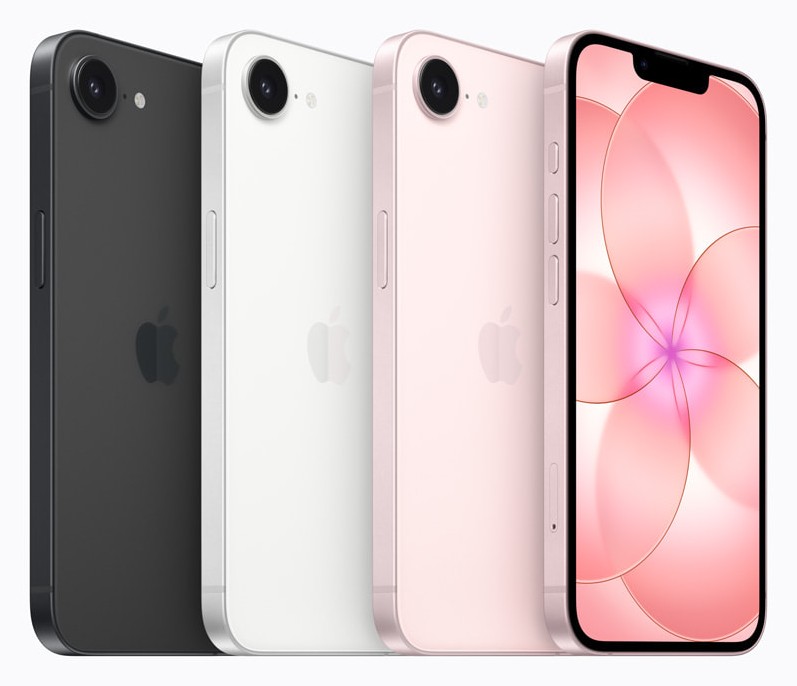
The easiest route into a current iPhone, with generous storage, provided you accept a single rear camera and a screen that scrolls less smoothly than many Android phones.
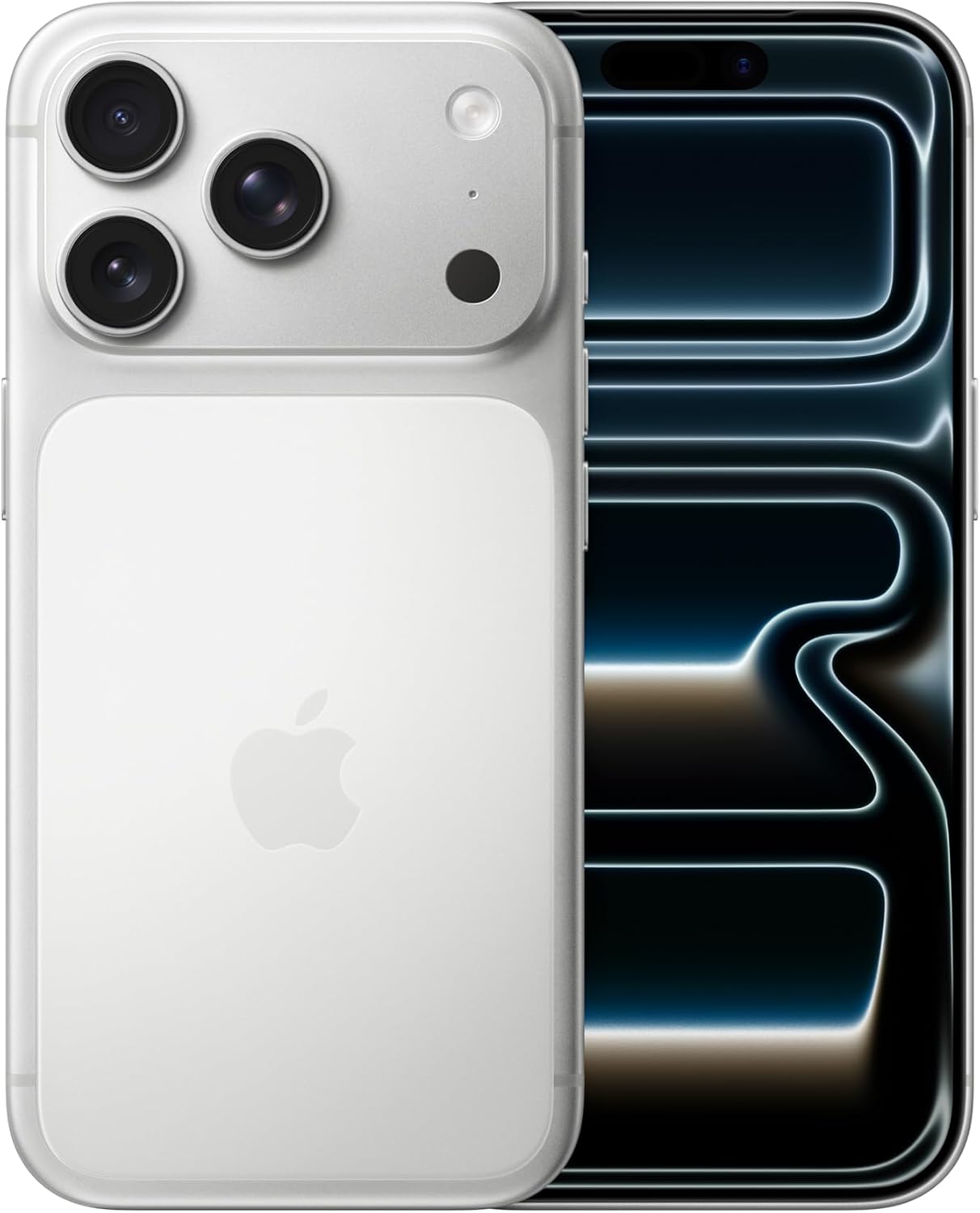
The more manageable Pro iPhone if you want main, ultrawide and telephoto cameras and would find the Pro Max too big.
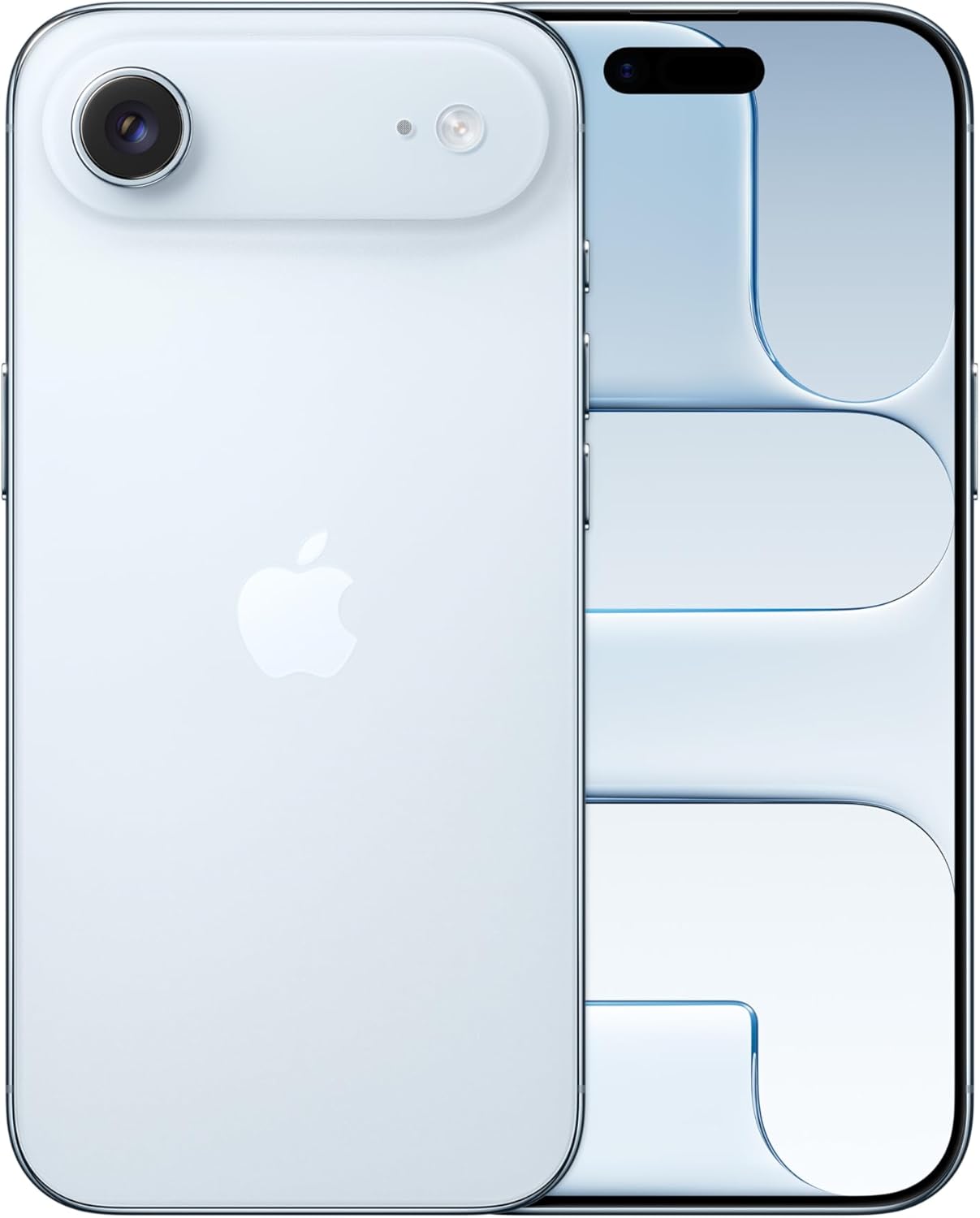
Worth it for people who value a very slim, light iPhone and can accept one rear camera, one speaker and modest battery life, but not the best value for everyone.
An iPhone 14 or older: the iPhone 17 review is the first place to start. If an iPhone 16 already suits you, that review says the upgrade adds too little.
Choose the 17 Pro for main, ultrawide and telephoto cameras. The 17e and Air each have one rear camera, which limits framing choices.
The Air is a specialist choice for a very slim, light body, with modest battery life. The 17e has a lower recorded price but a less smooth screen.
Still unsure? We will pick three for you, from £29.
Swipe the table to see every pick →
| Feature | Apple iPhone 17 | Apple iPhone 17e | Apple iPhone 17 Pro | Apple iPhone Air |
|---|---|---|---|---|
| Storage, as reviewed | 256GB | 256GB | 256GB | 256GB |
| Screen choice | 6.3-inch ProMotion up to 120Hz: smoother scrolling | 6.1-inch OLED; less fluid scrolling | 6.3-inch body; smaller than Pro Max | 6.5-inch 1–120Hz screen in a 165g body (Tom’s Guide) |
| Rear camera flexibility | 48MP Dual Fusion; no dedicated telephoto | One rear camera; no ultrawide or separate zoom lens | Main, ultrawide and 4x telephoto | One rear camera; no separate wide-view or telephoto lens |
| Price | £799256GB, price recorded 30 Jul 2026 | £599256GB storage, price recorded 8 Aug 2026 | £1,099256GB storage, price recorded 1 Aug 2026 | £799256GB storage, price recorded 1 Aug 2026 |
| Buy | Check price | Check price | Check price | Check price |
Buttons are affiliate links: we may earn a commission at no extra cost to you. Prices change often; the retailer’s price at checkout is the one that counts.
The easiest current iPhone to recommend, especially if you are replacing an iPhone 14 or older.
The easiest route into a current iPhone, with generous storage, provided you accept a single rear camera and a screen that scrolls less smoothly than many Android phones.
The more manageable Pro iPhone if you want main, ultrawide and telephoto cameras and would find the Pro Max too big.
Worth it for people who value a very slim, light iPhone and can accept one rear camera, one speaker and modest battery life, but not the best value for everyone.
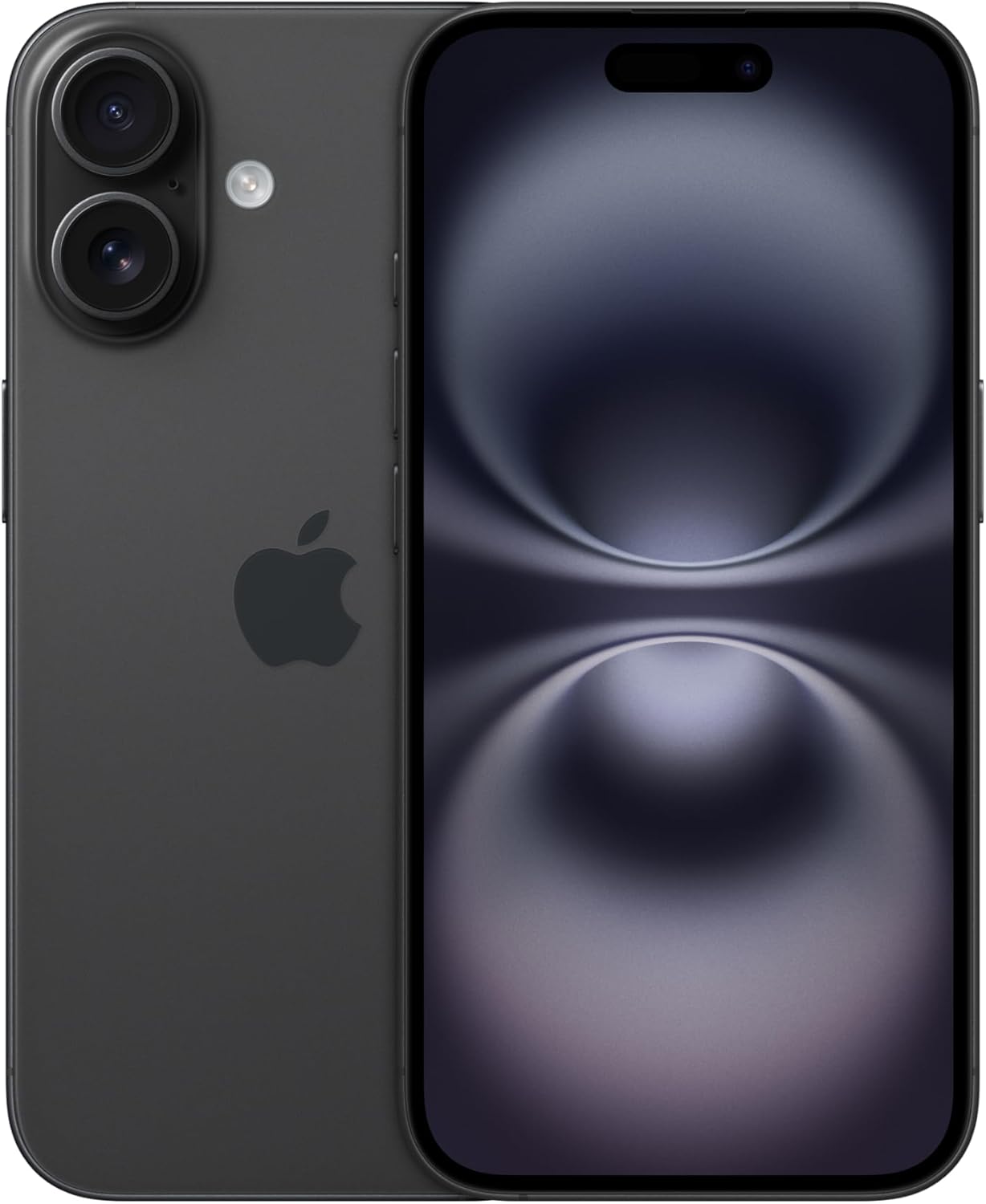
Only worth it with a clear saving against the iPhone 17. At our latest check they were just £100 apart, and our iPhone 17 review suggests the 16 only if it is more than £150 cheaper.
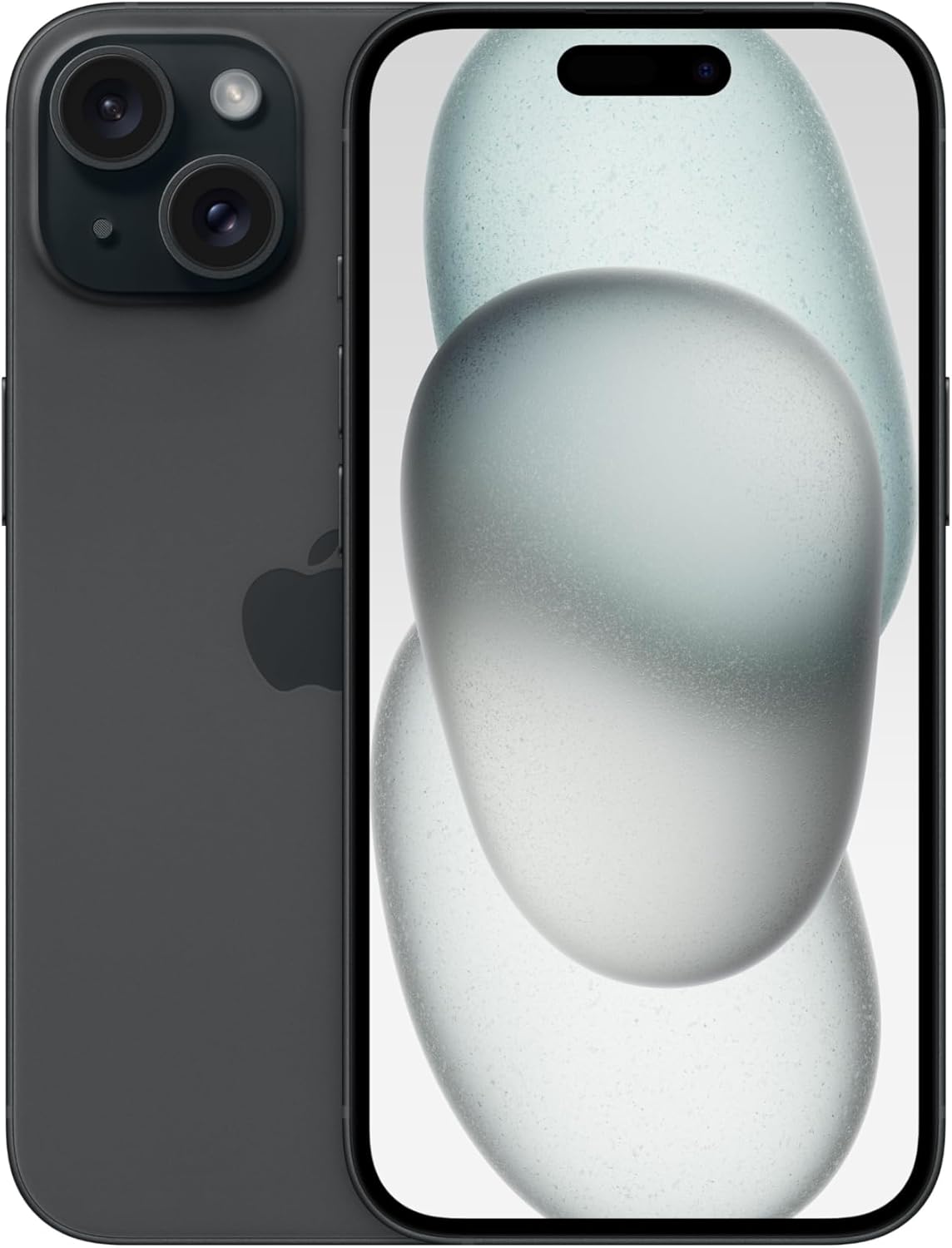
Only worth it with a clear saving against the iPhone 16, and if you do not need Apple Intelligence.
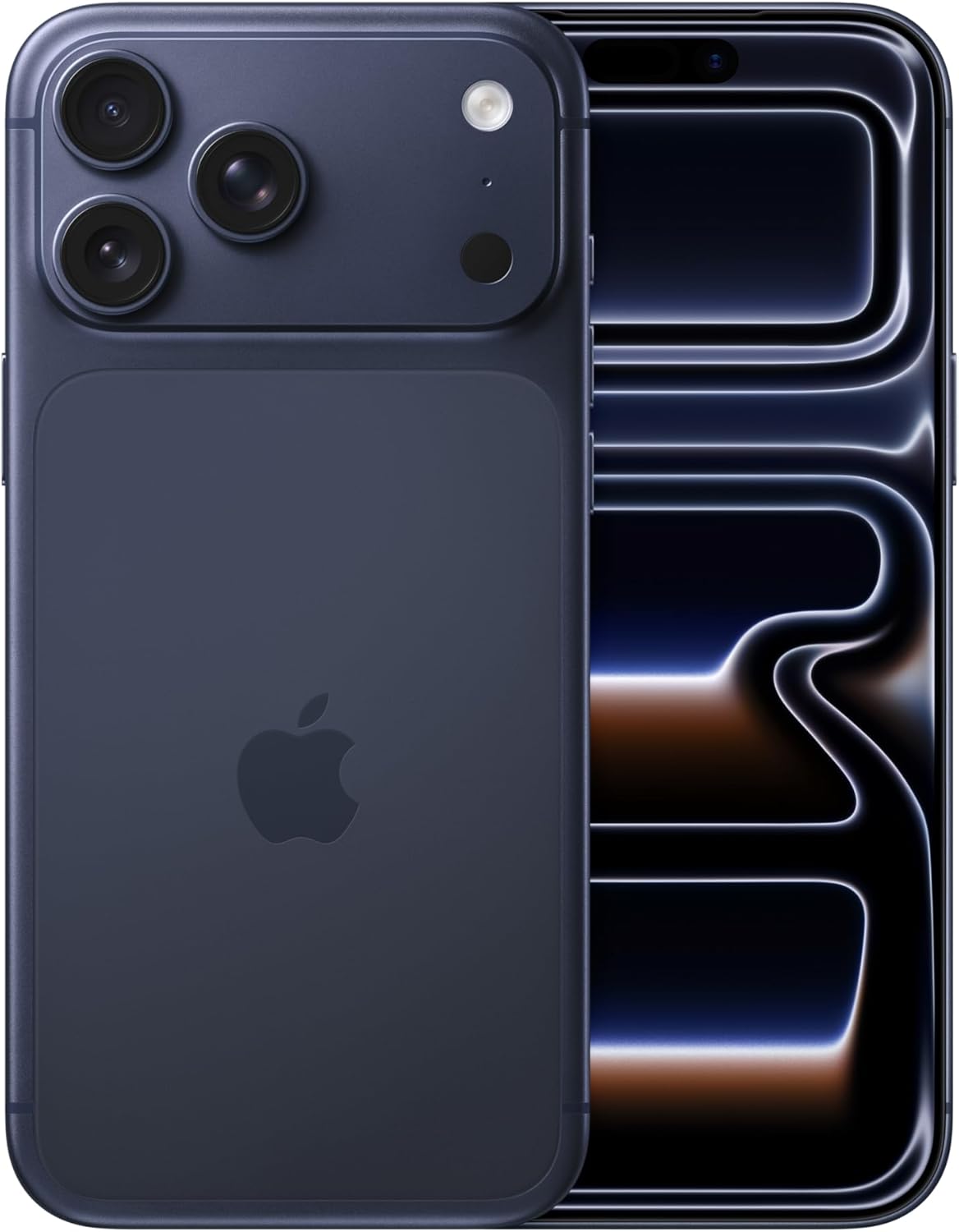
Its rear cameras match the smaller Pro. Pick its larger body only if the extra reading space matters more than weight.
It is Apple’s adaptive refresh-rate screen. The iPhone 17 review lists up to 120Hz, which makes scrolling and animations look smoother.
Sources: Apple, PCMag UK, Expert Reviews
No. The 17 Pro review lists a 4x telephoto camera and explicitly says the 8x option is not a separate 8x lens.
Sources: Apple, Apple Support, Ofcom, TechRadar, Notebookcheck
The iPhone 16 review warns that 128GB can become restrictive for lots of high-detail video and cannot take a memory card. The four picks here use the recorded 256GB configurations.
Sources: Apple Support, Apple UK, Tom's Guide, TechRadar
No. The Air review says it is eSIM-only, which means the mobile plan is installed digitally. Confirm that your network supports it before buying.
Sources: Apple, Apple Support, Ofcom, Tom's Guide, TechRadar
The standard 17 review says an owner of an iPhone 16 gains too little to justify upgrading. Keep the phone if its battery, camera and apps still cover your needs.
Sources: Apple, PCMag UK, Expert Reviews
GB measures storage for photos and apps; RAM is working memory for open apps. OLED pixels make their own light; Super AMOLED is Samsung’s OLED screen name. Hz means screen refreshes each second, with higher supported rates making scrolling smoother. MP means megapixels, an image-resolution figure that does not prove photo quality. An ultrawide camera fits more into a shot; a telephoto lens brings distant subjects closer. W means watts, the charging power rating, not a charging-time result. Qi and MagSafe are wireless-charging systems; magnetic accessories still need the correct phone or case. ProMotion is Apple’s adaptive refresh-rate name: supported scrolling can look smoother. Apple Intelligence is the name for Apple’s automatic assistance features; do not pay for tools you will not use. 5G is a mobile-network connection for calls and internet; actual coverage depends on your network and location.
Still torn between two?
Tell us your budget and what matters to you. We email three options and one clear recommendation within three working days.