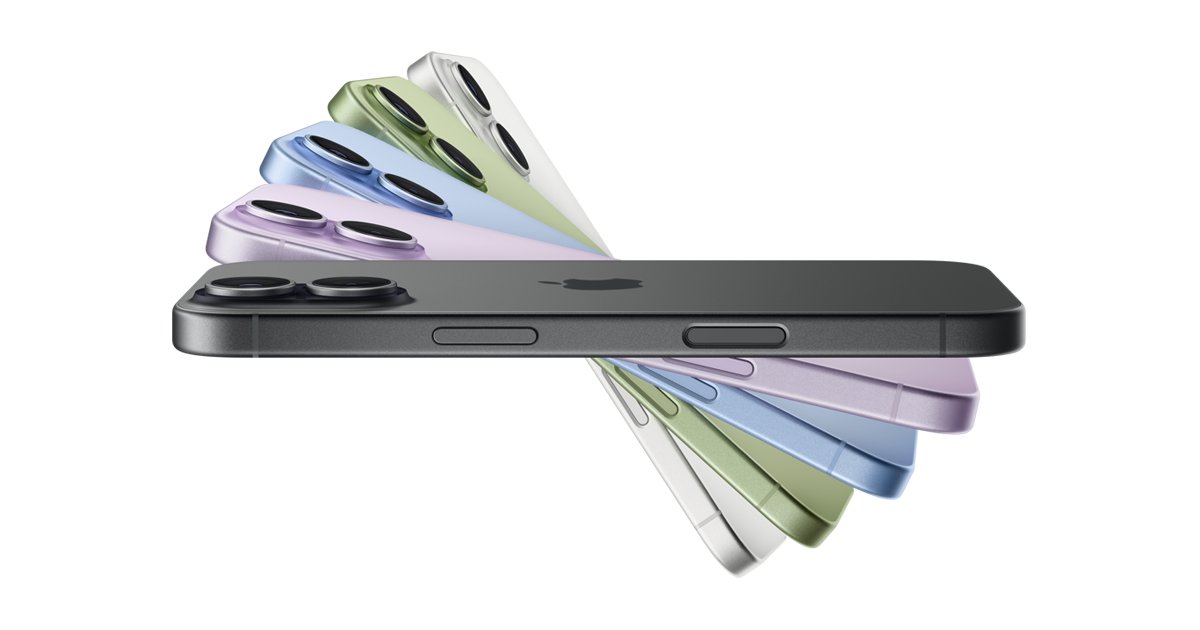
 Image: Apple
What it gets right
- The extra-smooth movement screen makes scrolling and animations look noticeably smoother
- Reliable cameras that produce good results without needing manual adjustments
- 256GB base storage is more practical for photos, apps and several years of use
- Long software support and a very strong range of cases, repairs and accessories
The compromises
- Owners of an iPhone 16 will not gain enough to justify upgrading
- No dedicated zoom camera for clear long-distance zoom
- Apple's accessories and storage upgrades remain expensive
Buy it—or leave it?
- You are replacing an iPhone 14 or older
- You want a dependable camera without learning manual controls
- You value long support, accessories and straightforward repairs
- You already own an iPhone 16
- You need strong optical zoom
- A discounted iPhone 16 is more than £150 cheaper
What would you like to do now?
Choose the route that matches how confident you feel. The free review stays free whichever route you choose.
Check today’s price
£749 for 256GB
Confirm the exact model and storage with the retailer before paying.
Retailer link last checked 1 August 2026These are Amazon affiliate links. UKTechExpert may earn from qualifying purchases at no extra cost to you. How this worksSee the closest alternatives
See the important differences in plain English before deciding where your money should go.
See the closest alternativesFree UKTechExpert guidanceLet us research it for you
Get three researched choices for your budget and priorities, explained without the confusing jargon.
Get my personal phone shortlist — £29Includes two follow-up repliesWhat it is actually like
Open any section for the detail behind our verdict.
01Daily use
The biggest improvement is not a complicated listed features: the screen now refreshes more smoothly. Text remains clearer while scrolling and the whole phone feels more immediate. Apple's Face ID, app quality and broad repair network also make it reassuring for anyone who wants a phone that simply behaves predictably.
02Camera
The main and wide-view camera cameras are designed around consistency rather than endless shooting modes. Daylight photographs have natural detail, people are exposed reliably and video remains a particular strength. The missing zoom camera lens matters if you regularly photograph sport, wildlife or concerts from a distance.
03Battery and longevity
A full ordinary day is realistic for most users, although heavy gaming, navigation and 5G video can still require an evening top-up. The better reason to buy it is longevity: ample performance, useful base storage and Apple's long update history give it a credible multi-year ownership story.
Price and value
Apple's UK launch price is £749 with 256GB of storage. Compare the total handset price, not only a network's monthly figure, and look for at least a £150 saving before choosing the older iPhone 16 instead.
Price last checked 17 August 2026This price check is more than two weeks old. Use the retailer link for the latest price; this review is temporarily excluded from the buying finder until the price is refreshed.
Who will notice the difference?
Family photographs and video
A safe choice for quick photos of children, pets and holidays, with especially reliable video.
Keeping one phone for years
The smooth screen, 256GB starting storage and performance headroom should age well.
Long-distance photography
This is the weak situation; choose a Pro model or a zoom-focused Android phone instead.
What else should you consider?
£749 · The strongest alternatives are Google's Pixel 10 for camera-led Android software and Samsung's Galaxy S25 for a smaller body with a true zoom camera. The iPhone 17 wins on all-round simplicity rather than being the cheapest or most specialised option.

Our review process
We based this verdict on Apple's published listed features with independent reviews from PCMag UK and Expert Reviews. We focused on everyday screen smoothness, camera reliability, battery behaviour and likely useful life over speed test figures.
Read our editorial standards