Our verdict
The Galaxy S26 Ultra's most useful new idea is its Privacy Display: a 6.9-inch screen that becomes hard for the person beside you to read while staying clear from the front. It helps on trains, aircraft and in busy offices, and can protect chosen apps or private information. GSMArena lists 60W wired charging, reaching 75% in 30 minutes. The Snapdragon 8 Elite Gen 5 chip makes it feel quick, and handheld video stays impressively level while you move. The difficult part is the camera. The 200MP main camera still takes good photos, but reviewers agreed several rivals now have more capable camera hardware. With a starting price of £1,279 for 256GB, it makes most sense for privacy and charging rather than photography.
Buy it if
- You often use private apps on trains, aircraft or in open offices
- Fast charging and steady handheld video matter to you
- You want a large phone that should stay supported for years
Skip it if
- You want the strongest possible zoom and low-light photos
- You want built-in magnets for Qi2 wireless chargers without adding a case
- A smaller, lighter or less expensive phone would suit your day better
How it would fit your home
Commuting and shared offices
The Privacy Display can hide messages, banking details and work information from someone sitting next to you.
Handheld family video
The phone keeps moving footage unusually level and steady without asking you to understand complicated settings.
Serious zoom photography
This is the weakest fit, because several rivals now have better camera hardware for distant and very close subjects.
The details, in plain English
The privacy screen
The 6.9-inch AMOLED screen has a built-in Privacy Display. GSMArena, Tom's Guide and Trusted Reviews all found it useful. At its strongest setting, someone beside you struggles to read the screen while it stays clear from directly in front. You can turn it on only for selected apps, messages or password boxes. The trade-off is a dimmer picture while the strongest privacy setting is active.
Photos and video
GSMArena lists a 200MP main camera, a 50MP ultrawide, a 10MP 3x telephoto and a 50MP 5x telephoto. The telephoto lenses get closer to distant subjects without cropping. The main camera still produces detailed photos, and night shots can be very good. The concern is that rivals have stronger supporting cameras, and zoom and close-ups show the gap most. Video is stronger, with footage kept level while you move.
Speed, battery and charging
The Snapdragon 8 Elite Gen 5 chip makes the phone feel fast, though the biggest benchmark wins rarely change how quickly messages, maps or banking apps open. Reviewers disagreed about how well it holds that speed in very long gaming sessions. The 5,000mAh battery is solid rather than class-leading. Charging is a clear strength: GSMArena lists 60W wired, 75% in 30 minutes, and 25W wireless.
Software and long-term use
GSMArena lists up to seven major Android upgrades, which matters on a phone this expensive. Some AI editing and search tools are useful, while others work only in certain Samsung apps or languages, and the number of similar tools can become confusing. Treat them as occasional helpers rather than the main reason to buy. The S Pen stylus is included, handy for notes and precise editing.
Strengths and drawbacks
What it does well
- Privacy Display stops people beside you reading your screen, yet stays clear from the front
- 60W wired charging: GSMArena lists 75% in 30 minutes
- Snapdragon 8 Elite Gen 5 chip keeps everyday use quick and responsive
- Handheld video stays impressively steady
- Up to seven major Android upgrades, by GSMArena's listing
What to watch out for
- Some rival phones now have more capable cameras
- The 5,000mAh battery does not last as long as the very best competitors
- Expensive, and large at 6.9 inches and 214g
- It rocks on a table because the cameras stick out
- No built-in magnets, so you need a case for a magnetic Qi2 wireless charger to line up
The closest Apple and Google rivals offer different strengths, while several Chinese brands now push harder on cameras and battery life. The Samsung earns its place through the Privacy Display, fast charging, steady video and long support.
Make the Samsung Galaxy S26 Ultra easier to live with
Add-ons that answer a drawback we named above. Check compatibility with your exact model before buying.
Solves: the 5,000mAh battery does not last as long as the very best competitors
Belkin BoostCharge Pro 3-Port Laptop Power Bank 20K, BPB020btBK Not yet reviewed by us
Adds spare power during a long day; it cannot increase the phone’s built-in battery endurance or make its cameras better.
Check first: Adds stored power, not a faster phone or a guarantee of full recharges. Check port sharing, cable and actual host charging; it adds weight.
Alternatives we have reviewed
| Product | Our verdict | Price | Buy |
|---|---|---|---|
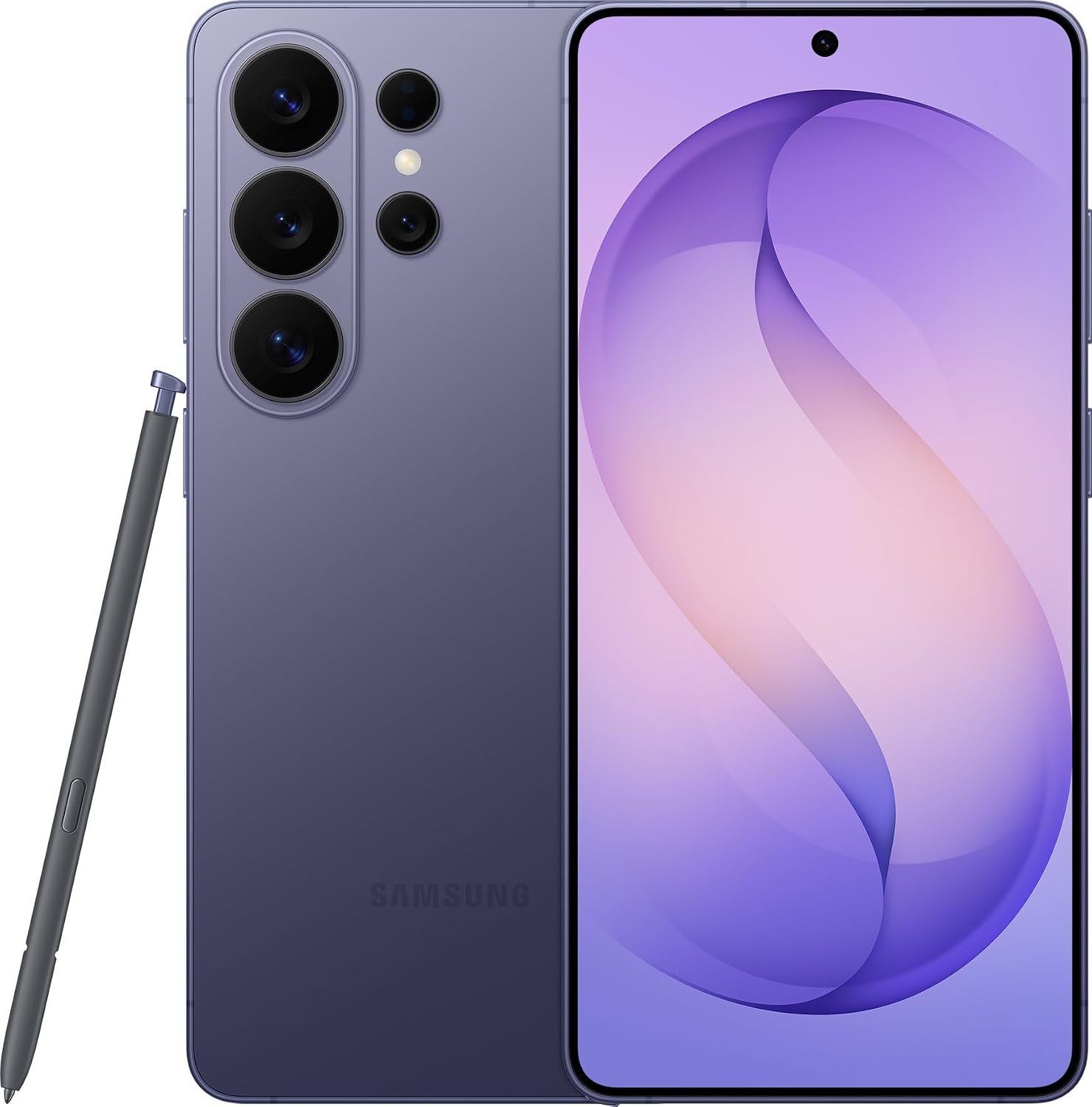 Samsung Galaxy S26 Ultra (this one) Samsung Galaxy S26 Ultra (this one) | A privacy-first phone with very fast charging, suited to people who use private apps in public and want long software support. | £1,359RRP · 256GB, RRP recorded 12 Oct 2026 | Check price |
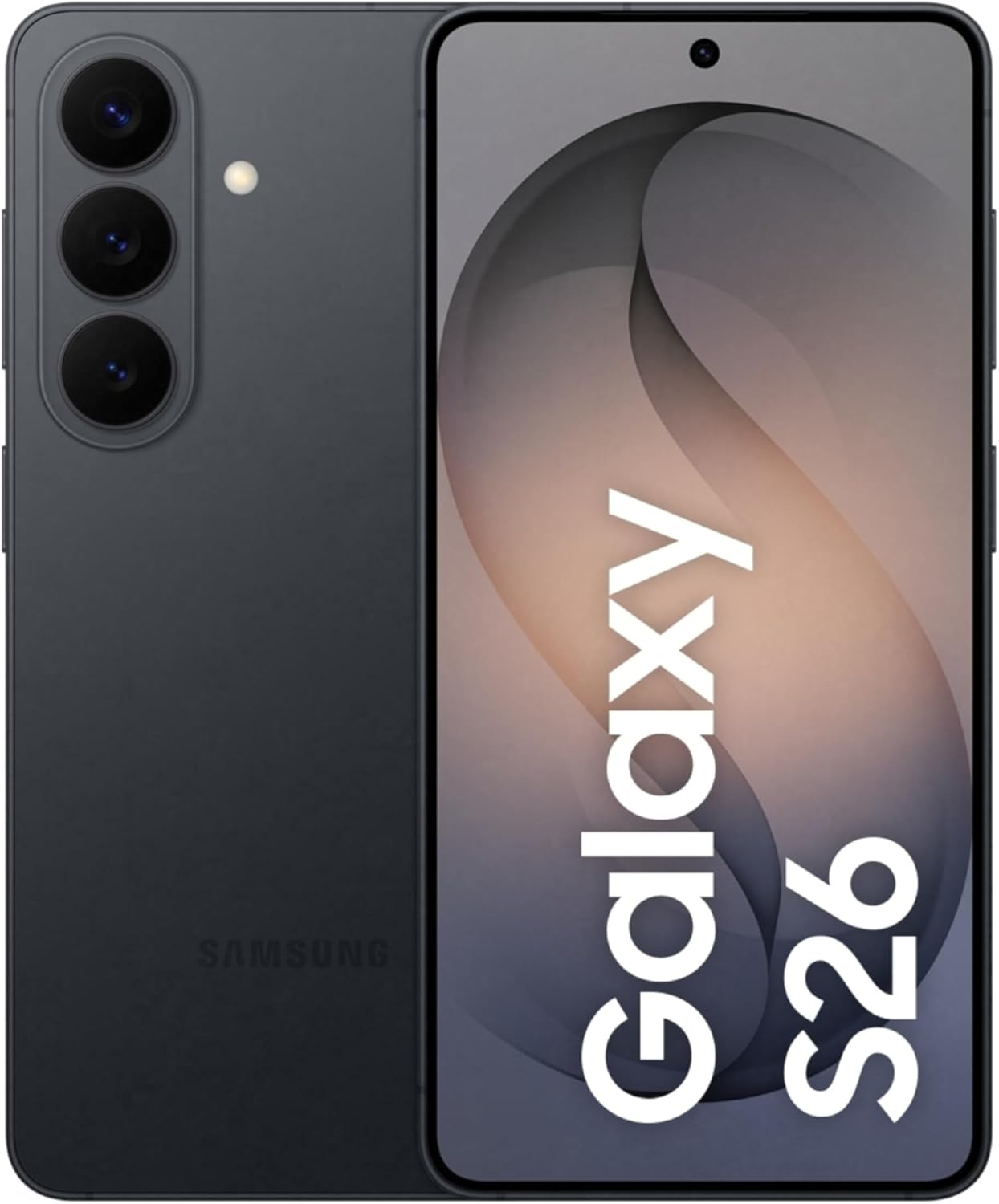 Samsung Galaxy S26 Samsung Galaxy S26 | Worth considering for Samsung familiarity and a flexible three-camera setup in a manageable 167g body, if those extras solve a real problem with your current phone. | £959RRP · 256GB storage, RRP recorded 12 Oct 2026 | Check price |
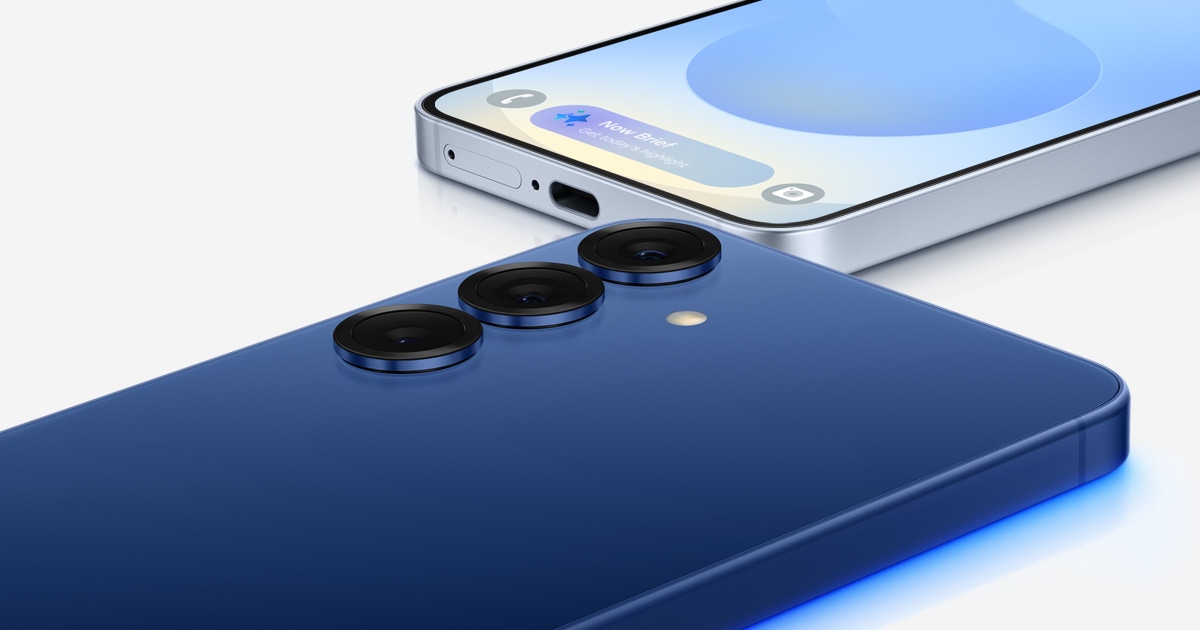 Samsung Galaxy S25 Samsung Galaxy S25 | An excellent compact flagship for anyone who wants premium Android performance and a real 3x optical zoom in a phone they can use one-handed, especially when discounted. | £799RRP · 128GB storage, RRP recorded 12 Oct 2026 | Check price |
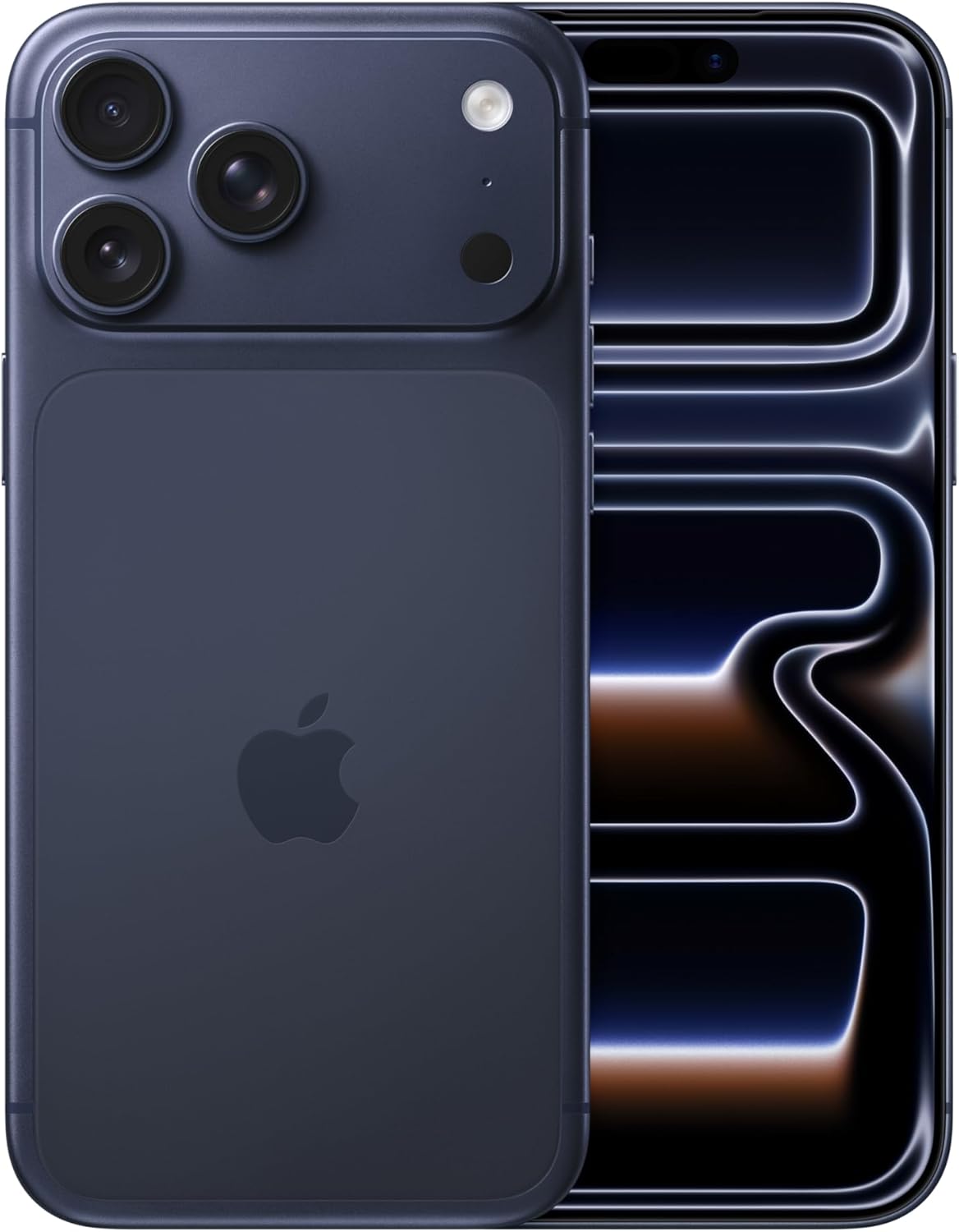 Apple iPhone 17 Pro Max Apple iPhone 17 Pro Max | Choose the Pro Max for the 6.9-inch screen you will use every day, not because you expect a different rear camera system from the smaller Pro. | £1,199RRP · 256GB storage, RRP recorded 12 Oct 2026 | Check price |
Not sure it is the right one for you?
We email three options and one clear recommendation, around your budget and home, within three working days.
Worth reading next
Where our findings come from
Research-based review: we have not tested this phone ourselves. We used full independent reviews from GSMArena, Tom's Guide and Trusted Reviews, and where their findings differed, particularly during long gaming sessions and screen testing, we kept both views. Specifications and measurements quoted here come from those sources, mainly GSMArena.