What it gets right
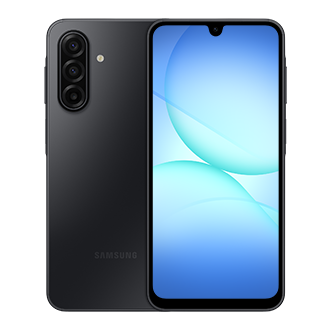
- A clear screen with strong contrast for reading, photographs and video
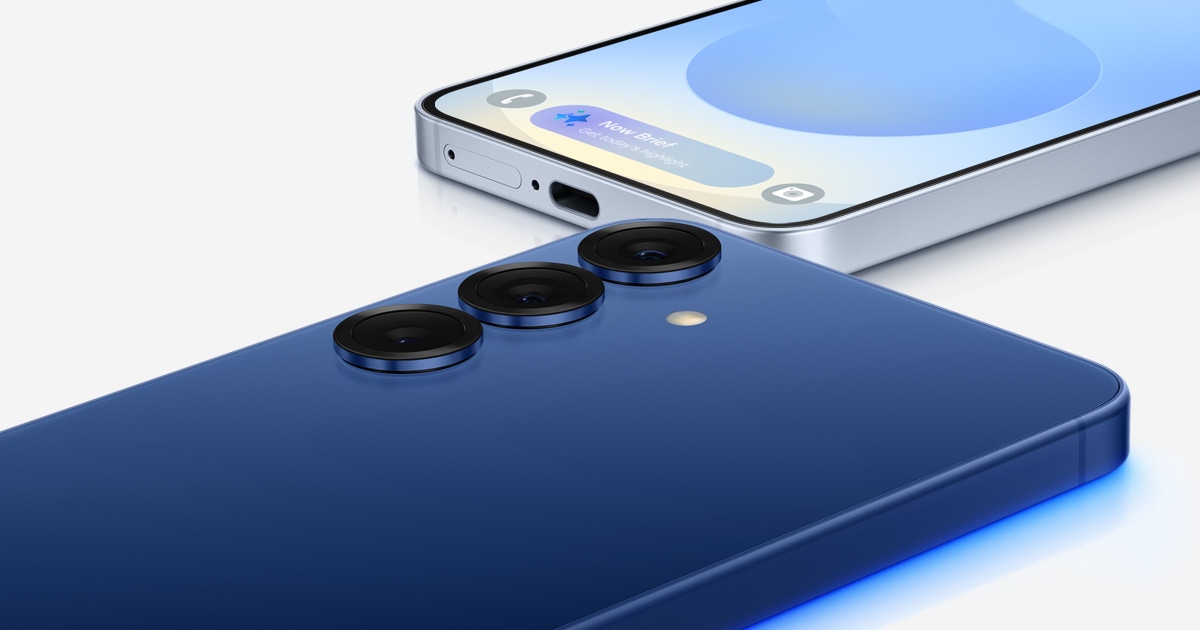
- More than one rear camera for different types of photograph
- A front camera for video calls and everyday photographs
- A battery intended to cover ordinary daily use
The compromises
- The folding design costs substantially more than a conventional phone
- A hinge and flexible inner screen add durability and repair considerations
- The larger body will not suit somebody who wants a light, simple handset
Buy it—or leave it?
- You specifically want a large inner screen for reading, multitasking and video
- The 256GB storage version fits your needs
- You have compared the drawbacks with similarly priced alternatives
- The folding design costs substantially more than a conventional phone
- A hinge and flexible inner screen add durability and repair considerations
- The larger body will not suit somebody who wants a light, simple handset
What would you like to do now?
Choose the route that matches how confident you feel. The free review stays free whichever route you choose.
Check today’s price
£1,699 for 256GB storage
Confirm the exact model and storage with the retailer before paying.
Retailer link last checked 1 August 2026These are Amazon affiliate links. UKTechExpert may earn from qualifying purchases at no extra cost to you. How this worksSee the closest alternatives
See the important differences in plain English before deciding where your money should go.
See the closest alternativesFree UKTechExpert guidanceLet us research it for you
Get three researched choices for your budget and priorities, explained without the confusing jargon.
Get my personal phone shortlist — £29Includes two follow-up repliesWhat it is actually like
Open any section for the detail behind our verdict.
01Using it every day
Samsung Galaxy Z Fold8 is easiest to understand through what it changes in normal use. You get a clear screen with strong contrast for reading, photographs and video. You also get more than one rear camera for different types of photograph.
02Where it earns its price
More than one rear camera for different types of photograph. A front camera for video calls and everyday photographs. A battery intended to cover ordinary daily use. That only matters if you will use it regularly.
03What may frustrate you
The folding design costs substantially more than a conventional phone. A hinge and flexible inner screen add durability and repair considerations. The larger body will not suit somebody who wants a light, simple handset. If one of these affects how you will use it, a different model is the safer choice.
Price and value
On 17 August 2026, the matched UK price was £1,699 for the 256GB storage configuration. Our Samsung Galaxy Z Fold8 value judgement at £1,699 belongs only to the 256GB storage version; a cheaper capacity or smaller size is not quietly substituted. Prices can move, so confirm the model, configuration and final basket total before buying.
Price last checked 17 August 2026This price check is more than two weeks old. Use the retailer link for the latest price; this review is temporarily excluded from the buying finder until the price is refreshed.
Who will notice the difference?
Best fit
Choose it when a large inner screen for reading, multitasking and video will be directly useful in your everyday life.
living with it
More than one rear camera is the second feature to weigh against the price, support and any extra accessories or subscriptions.
Wrong fit
The folding design costs substantially more than a conventional phone; spending more or less on a better-matched alternative can be the smarter decision.
What else should you consider?
£1,699 · Samsung Galaxy Z Fold8 alternatives are compared at equivalent storage wherever possible, with camera consistency, support and carrying comfort weighed alongside speed.
Our review process
We checked the exact product against the independent and official sources listed below. Technical details inform the performance and value scores, but we explain what those findings mean in everyday use.
Read our editorial standards