Our verdict
The QN90F is the practical high-end choice for a bright family living room. It is a Neo QLED TV with a Mini LED backlight: Samsung calls it Quantum Mini LED Pro, and thousands of small lights behind the screen are dimmed or brightened in groups. Together with Samsung's Glare Free screen, daylight, lamps and sport do not wash the picture out as easily as on a less powerful TV. Being LED, it also has no burn-in worry when news channels, games or a computer desktop stay on screen. It has four HDMI sockets that run at 4K 165Hz and 60W speakers with Dolby Atmos. Films in a dark room still look more natural on an OLED, and it does not support one widely used film-picture format.
Buy it if
- The living room is bright during the day
- Sport and gaming dominate what you watch
- Static logos or computer use are common
Skip it if
- Dark-room film quality matters most
- The missing film-picture format is important to you
- A discounted OLED is substantially cheaper
How it would fit your home
Daytime sport
Brightness and the Glare Free screen keep the picture clear without closing the curtains.
Mixed console and computer gaming
Four 165Hz HDMI sockets and no burn-in concern suit long sessions.
Dark-room cinema
An OLED gives deeper blacks and more precise shadow detail, so a dark room is where this TV is weakest.
The details, in plain English
Bright-room picture
High light output with Samsung's Glare Free screen is the central benefit. Football, daytime programmes and colourful films stay punchy with the curtains open. Samsung's Quantum Mini LED Pro backlight and NQ4 AI Gen3 processor drive the picture. Viewing from a wide angle is improved, though performance varies with screen size, so remember these notes apply to the 65-inch model.
Films and dimming
Thousands of small, separately controlled lights behind the screen, known as local dimming, give much better black levels than an ordinary LED TV. Bright subtitles can still produce a faint glow against black bars, and an OLED shows more natural shadow depth. Samsung lists HDR10+ but not Dolby Vision, so Dolby Vision films play in standard HDR instead.
Gaming
Samsung lists a 120Hz screen that goes up to 165Hz, and all four HDMI sockets support 4K at 165Hz. A PS5 or Xbox Series X runs games at up to 120Hz, so consoles get their smoothest mode, and a gaming PC can go further. Because it is an LED TV, static game menus and desktop work do not carry the screen-care concern of OLED.
Sound and smart TV
Samsung lists 60W speakers in a 4.2.2-channel layout with Dolby Atmos. The Dolby Atmos support helps sound seem to come from above as well as the front. A soundbar still improves films. The TV uses Samsung's Tizen software, which includes Samsung TV Plus, and the home screen can feel promotional.
Strengths and drawbacks
What it does well
- Mini LED backlight with high brightness keeps sport and television clear during the day
- Glare Free screen: excellent reflection handling
- Four HDMI sockets at 4K 165Hz for consoles and a gaming PC
- 60W 4.2.2-channel speakers with Dolby Atmos, per Samsung
- No burn-in worry for long static use, such as a desktop or game menu
What to watch out for
- No support for one widely used film-picture format; it supports HDR10+ instead
- Dark-room blacks are less perfect than on an OLED
- Samsung's home screen can feel promotional
- Sound still benefits from a separate soundbar
LG's C5 is the better dark-room film choice, Sony's Bravia 8 II has more refined cinematic processing, and TCL's C7K delivers much of the bright Mini LED idea for less. Samsung wins for polished bright-room and gaming performance.
Make the Samsung QN90F Neo QLED easier to live with
Add-ons that answer a drawback we named above. Check compatibility with your exact model before buying.
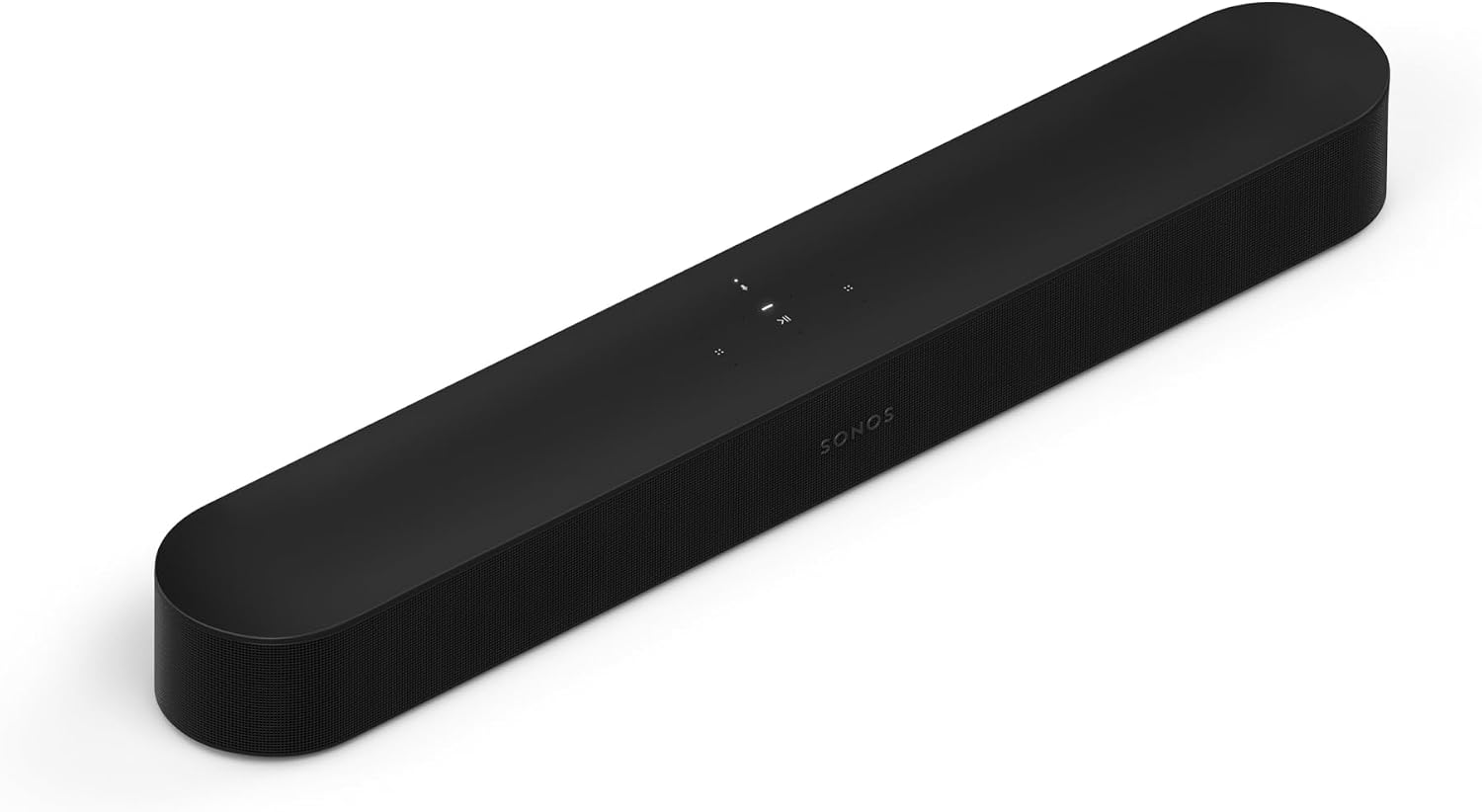
Solves: sound still benefits from a separate soundbar
Sonos Beam (Gen 2) Reviewed by us
A reviewed dialogue-focused soundbar can address the named weak built-in sound. Judge voices at your normal volume and include its cost before choosing the TV.
Check first: No separate bass box included; use compatible TV ARC/eARC or the manufacturer’s optical adapter. Confirm the TV’s exact outputs and plan the occupied HDMI socket.
Alternatives we have reviewed
| Product | Our verdict | Price | Buy |
|---|---|---|---|
 Samsung QN90F Neo QLED (65-inch) (this one) | The best high-end choice for bright, mixed-use family rooms, as long as dark-room film quality is not your first priority. | £2,499RRP · 65 inches, RRP recorded 12 Oct 2026 | Check price |
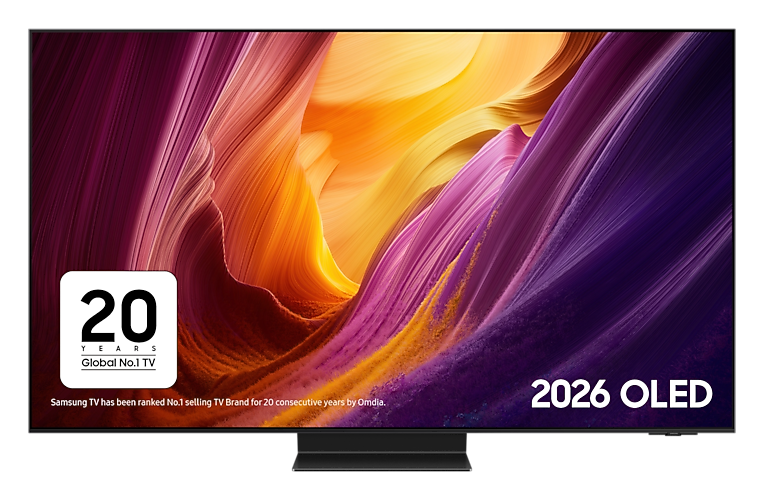 Samsung S95H (65-inch) | One of the best OLED TVs for bright rooms and gaming, suited to households that want a high-end picture with excellent reflection control. | £2,59965 inches, Price recorded 24 Sept 2026 | Check price |
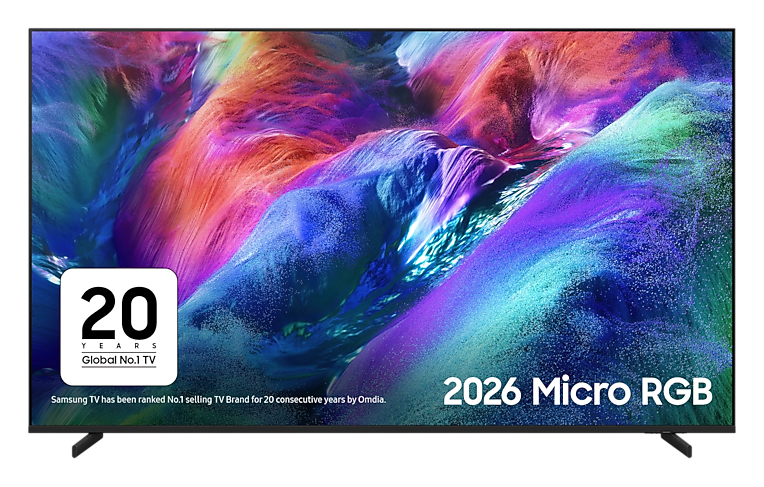 Samsung R85H (65-inch) | A fascinating first-generation Micro RGB TV that cautious buyers should not buy on claims alone, at least until independent measurements of the 65-inch model arrive. | £2,399RRP · 65 inches, RRP recorded 12 Oct 2026 | Check price |
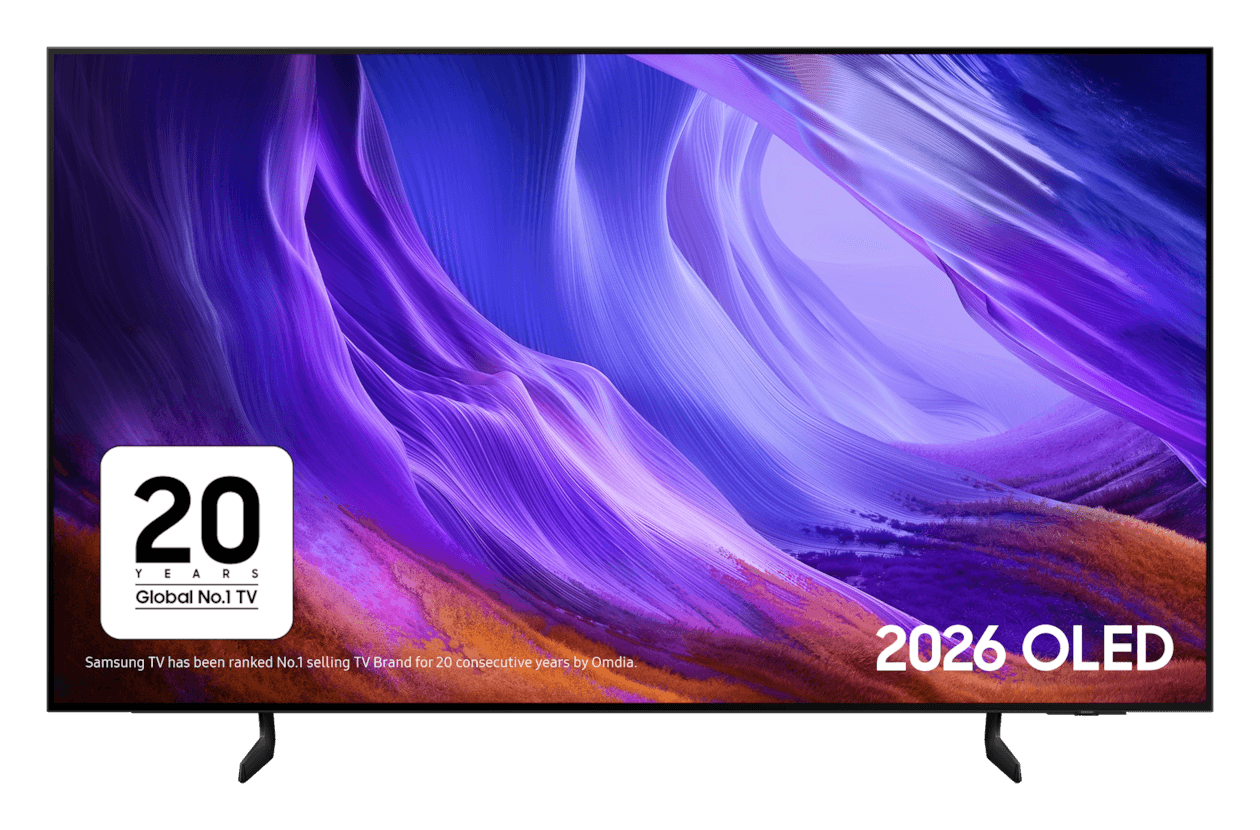 Samsung S85H (65-inch) | An enjoyable first OLED, but wait for a wider price gap to the S90H before buying | £2,06965 inches, Price recorded 24 Sept 2026 | Check price |
Not sure it is the right one for you?
We email three options and one clear recommendation, around your budget and home, within three working days.
Worth reading next
Where our findings come from
Research-based review. It combines Samsung UK's listed specifications with independent bright-room, dimming and gaming findings from What Hi-Fi? and RTINGS. Specifications are Samsung's own; measurements belong to the named reviewers, and we did not test the TV ourselves. It is framed for mixed daytime use, not as universally better than OLED.