Our verdict
The Sennheiser Momentum 5 Wireless is built for people who want premium headphones to last. Sennheiser rates the battery at 57 hours with noise cancelling on, enough for more than a working week of commuting. When the battery eventually wears out, you can replace it with a small screwdriver instead of replacing the headphones. Reviewers at What Hi-Fi?, Engadget and Tom's Guide praised the natural, detailed sound and the comfort. Active noise cancelling (ANC), which uses microphones to cancel out steady outside sound, is decent but still behind the best Sony and Bose models. At £329.90 they are strong long-term value if sound and battery life matter more to you than complete silence.
Buy it if
- You want to go days, not hours, between charges
- Natural sound matters more to you than the strongest noise cancelling
- You value a replaceable battery and a longer product life
Skip it if
- You want the most quiet possible on planes and trains
- You need headphones that fold into the smallest travel bag
- A lighter pair would be more comfortable for you
How it would fit your home
A full week of commuting
With a rated 57 hours of battery, you can get through a week of journeys without remembering the charger.
Listening carefully at home
Natural voices and well-separated instruments make these rewarding for music, radio and audiobooks.
Very noisy flights
Noise cancelling takes the edge off engine hum, but the strongest Sony and Bose models create more quiet.
The details, in plain English
Music and spoken audio
The drivers are the small speakers inside each ear cup. What Hi-Fi? and Engadget both praised the clear, natural way the Momentum 5's drivers reproduce voices and instruments. Music sounds detailed without becoming harsh. Bass is warm rather than extremely tight, so if you want the hardest-hitting beat you may prefer a different sound. Most people will enjoy them without changing any settings.
Noise cancelling and calls
Active noise cancelling uses microphones to pick up outside sound and plays an opposite signal to cancel it. It works best on steady noise like engines and air conditioning. In the Sennheiser Smart Control Plus app you can set its strength (Tom's Guide lists 100%, 71%, 36% and 12%). Reviewers disagreed on whether it is enough at the price: Tom's Guide still heard traffic, voices and footsteps on city walks. If blocking sound is your top priority, Sony and Bose do more. Calls are clear enough for work and travel.
Connections
They connect over Bluetooth 5.4, and Sennheiser plans a firmware update to Bluetooth 6.0. Multipoint keeps them connected to two devices at once, so you can listen to your laptop and still hear your phone ring. You can also plug in with a 3.5mm cable, useful for in-flight entertainment.
Comfort and travelling
The padded headband and ear cups are comfortable for long sessions, although every head is different. At about 290g they are a little heavier than some rivals, and they do not fold into a very small shape. That matters more in a tightly packed travel bag than around the home or office.
Battery life and ownership
Sennheiser rates the battery at 57 hours with noise cancelling on; Tom's Guide listened for 16 hours and still had 90% left. Every rechargeable battery slowly loses capacity over years of use. Here you can swap it with a small screwdriver instead of throwing away otherwise good headphones. That is rare, and it gives the price a stronger long-term argument.
Strengths and drawbacks
What it does well
- Rated 57 hours of battery with noise cancelling on
- Natural, detailed sound for music, radio and audiobooks
- Replaceable battery: a small-screwdriver job that can add years of use
- Multipoint Bluetooth: connected to your phone and laptop at the same time
- Comfortable for long listening sessions
What to watch out for
- Noise cancelling trails the best Sony and Bose models
- The ear cups feel less luxurious than the price suggests
- They do not fold as small as some travel headphones
- At about 290g, slightly heavier than the closest Sony rival
Choose the Momentum 5 for sound quality, battery life and the replaceable battery. Choose Sony or Bose when the strongest possible noise cancelling matters more. The Sennheiser does not win every category, but its mix of price and long-term ownership is unusually convincing.
Alternatives we have reviewed
| Product | Our verdict | Price | Buy |
|---|---|---|---|
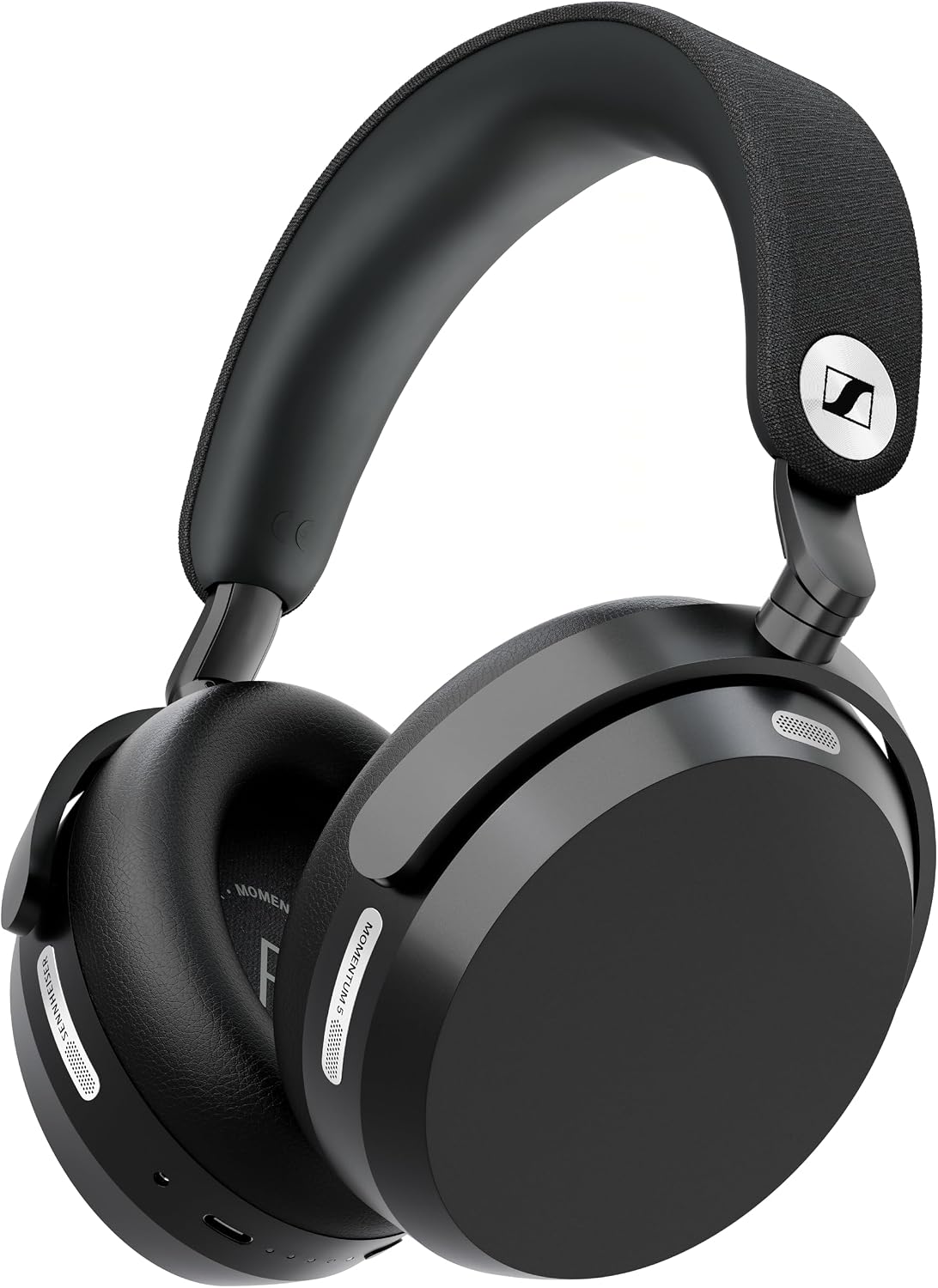 Sennheiser Momentum 5 Wireless (this one) Sennheiser Momentum 5 Wireless (this one) | A great choice for natural sound and very long battery life, with a battery you can replace yourself. | £329.99RRP, RRP recorded 12 Oct 2026 | Check price |
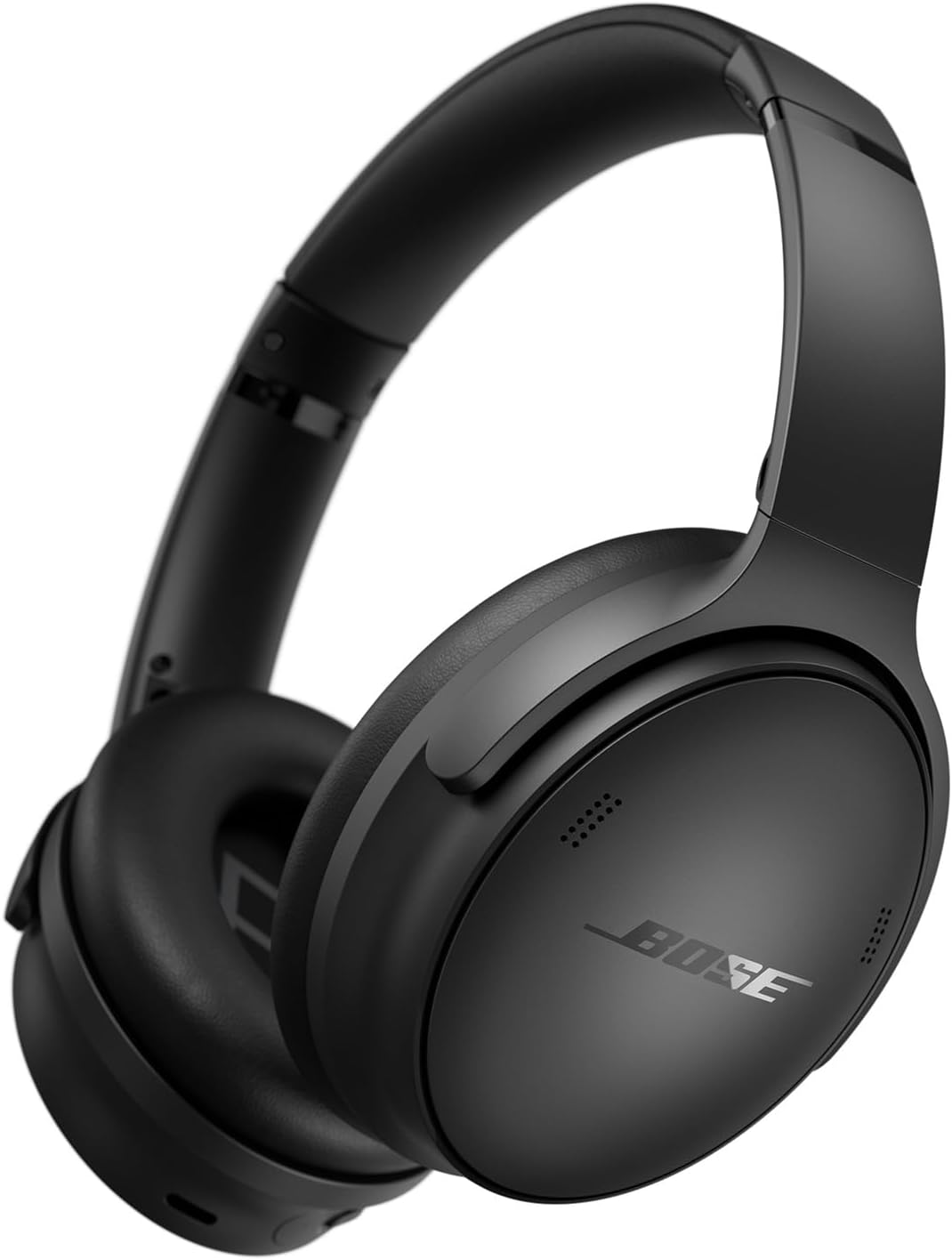 Bose QuietComfort SC Bose QuietComfort SC | A strong choice if you mainly want to shut out steady travel and office noise, provided you are happy with a bass-heavy sound and check the fit during the returns window. | £289.95RRP, RRP recorded 12 Oct 2026 | Check price |
 Sony WH-1000XM6 Sony WH-1000XM6 | Worth considering if quieter journeys and one pair for music and work calls matter to you, as long as you try the fit and your real call setup first. | £399RRP, RRP recorded 12 Oct 2026 | Check price |
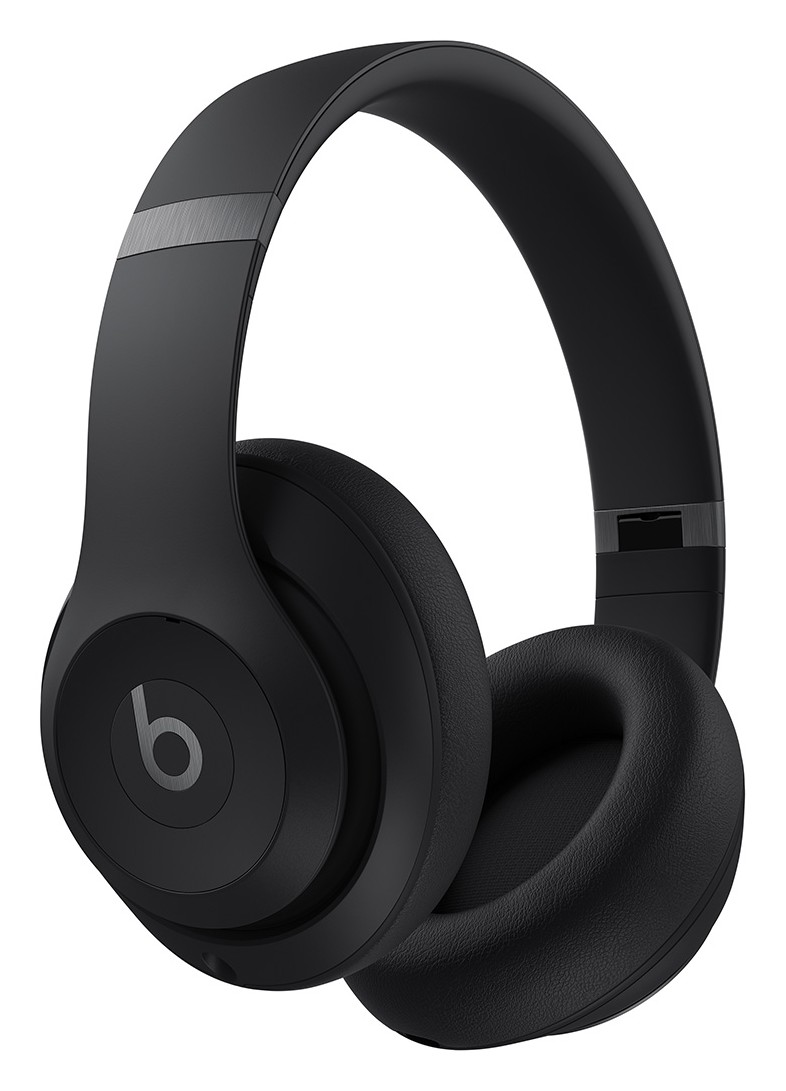 Beats Studio Pro Beats Studio Pro | The Studio Pro are worth comparing if you want noise-cancelling headphones that move easily between a phone, laptop and wired source, and the 24-hour noise-cancelling battery figure suits your routine. | £249.95RRP, RRP recorded 12 Oct 2026 | Check price |
Not sure it is the right one for you?
We email three options and one clear recommendation, around your budget and home, within three working days.
Worth reading next
Where our findings come from
Research-based review. We compared detailed reviews from What Hi-Fi?, Engadget and Tom's Guide. They agreed on sound, comfort and battery life but judged the noise cancelling differently, so we report that disagreement. Specifications and measurements come from those reviews; we have not tested these headphones ourselves.