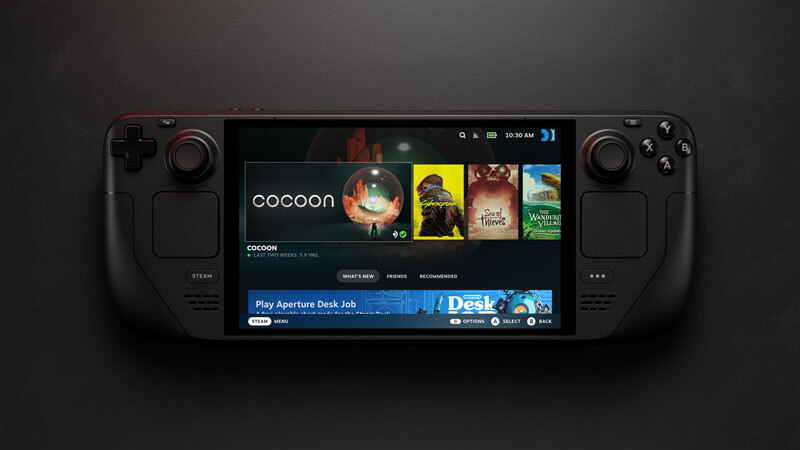
 Image: Valve
What it gets right
- Excellent screen with deep-looking blacks with smooth 90Hz motion
- Huge Steam game library and regular computer discounts
- Improved battery life over the original screen with a light behind it model
- Comfortable controls and useful sleep-resume behaviour
The compromises
- Not every computer game is compatible
- Large and heavy compared with a Nintendo handheld
- Demanding new games require reduced settings
- Occasional troubleshooting is still part of computer ownership
Buy it—or leave it?
- You already have a Steam library
- Portable single-player games appeal
- You accept occasional settings changes
- You mainly play incompatible competitive games
- You want the lightest handheld
- You expect every new blockbuster to run at maximum quality
What it is actually like
Open any section for the detail behind our verdict.
01Screen and battery
The screen with deep-looking blacks provides richer contrast and a smoother 90Hz ceiling while using power more efficiently than the original model. Battery life varies dramatically by game: a simple indie title can last many hours, while a demanding 3D release can reduce that to a much shorter session.
02Library and compatibility
Steam's verified labels give a useful first check, but they are not a guarantee that every mode or update works perfectly. Competitive games using certain anti-cheat systems may not run at all. Checking the exact game before purchase is more reliable than assuming the whole computer library travels.
03Console simplicity
The standard interface handles purchasing, installation and updates neatly. Desktop mode opens far more flexibility and far more complexity. Owners can ignore most of it, but storage management, mods and unusual accessories eventually feel more like a computer than a sealed console.
Price and value
The 512GB deep-black screen model costs £649 directly from Valve. Steam game discounts can reduce long-term software spending, but a microSD card, dock or case may increase the initial budget.
Price last checked 17 August 2026This price check is more than two weeks old. Use the retailer link for the latest price; this review is temporarily excluded from the buying finder until the price is refreshed.
Who will notice the difference?
Existing computer game library
Cloud saves and Steam purchases make moving between desktop and handheld convenient.
Indie and older games
These often look excellent, run smoothly and provide the best battery life.
No-troubleshooting family console
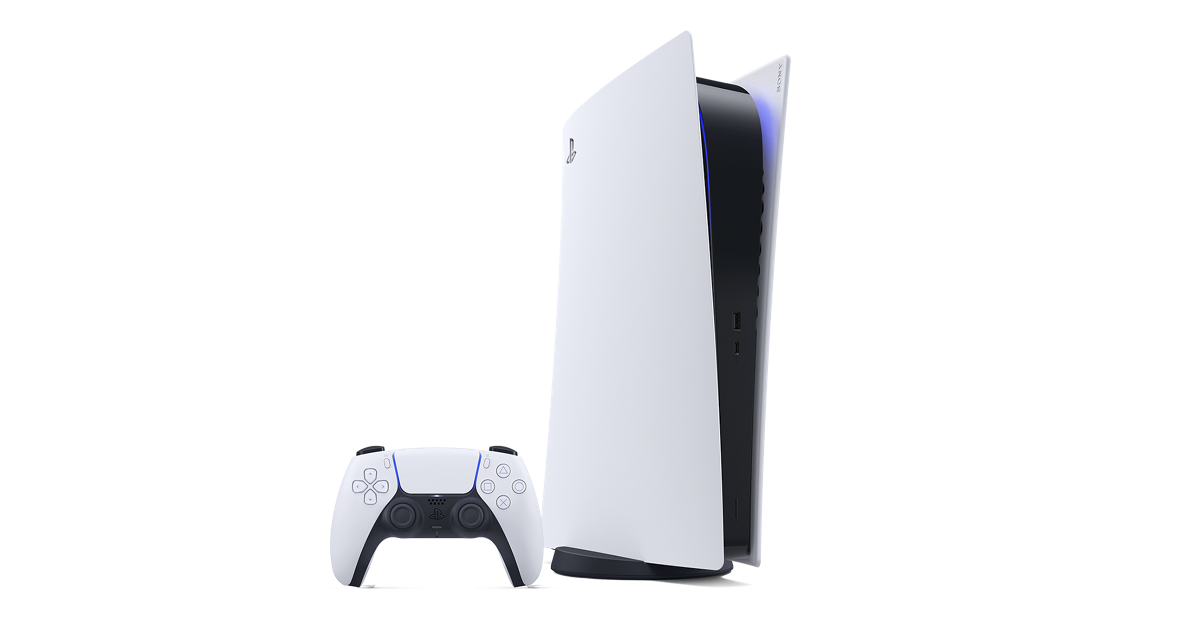
Nintendo Switch 2 or PlayStation 5 provides a more controlled experience.
What else should you consider?
£649 · Switch 2 is simpler and lighter with Nintendo exclusives, while premium Windows handhelds are faster and more expensive. Steam Deck deep-black screen remains the best balance of price, interface and computer-library access.

Our review process
This research-based review uses Valve's hardware information and independent screen, battery and performance tests. Compatibility warnings reflect the exact game-by-game nature of computer handheld ownership rather than treating Steam's library as universally playable.
Read our editorial standards