SMALL STEPS. USEFUL SKILLS.
Connect an external monitor
Add a second screen to see more at once.
Use the pictures where shown. Follow the short instructions between them.
STEP 1 OF 8
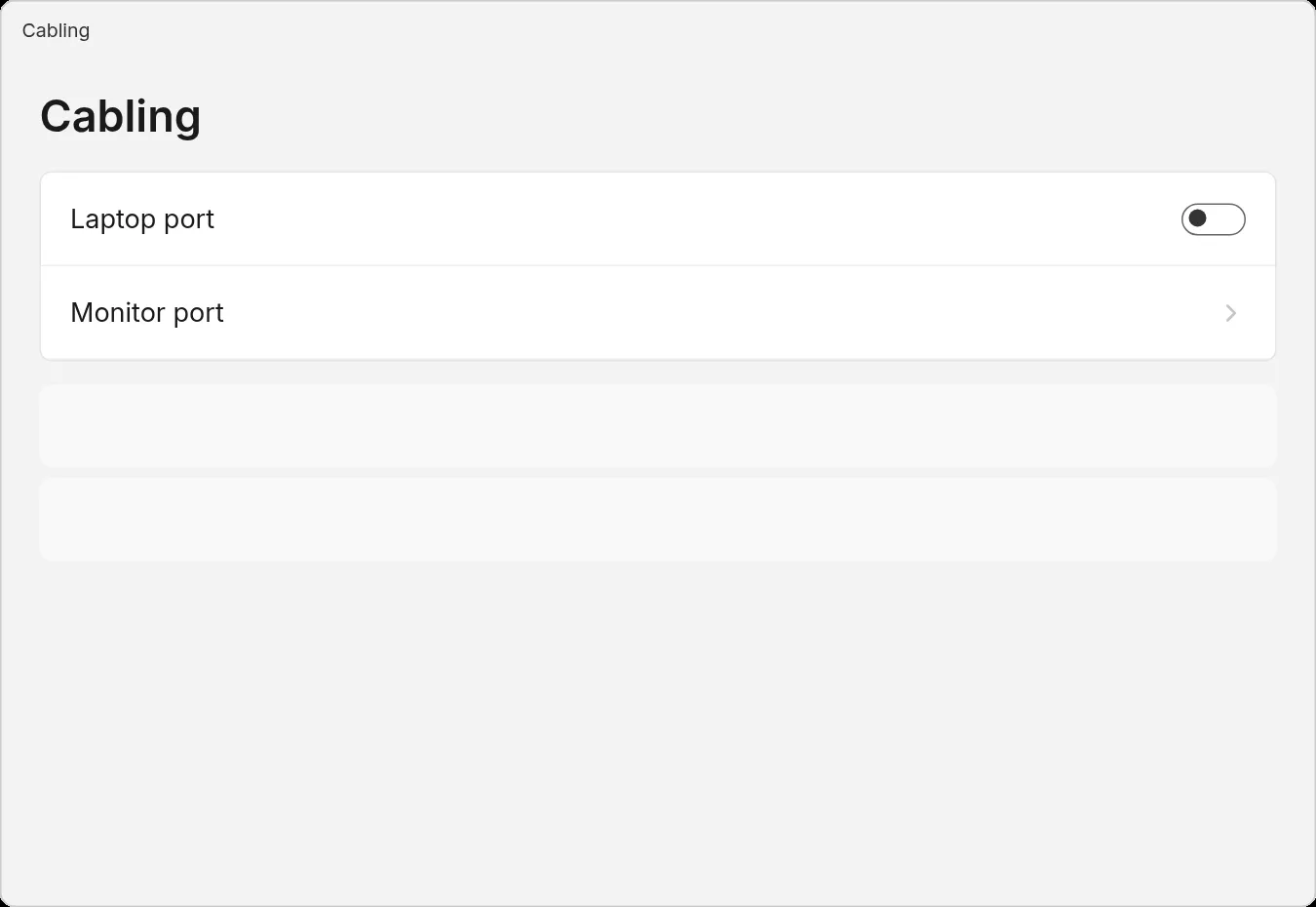
Connect the cable
Connect the monitor to the laptop using an HDMI, USB-C or DisplayPort cable, then turn the monitor on.
Prefer to see all the steps together?+
STEP 1
Connect the cable
Connect the monitor to the laptop using an HDMI, USB-C or DisplayPort cable, then turn the monitor on.
STEP 2
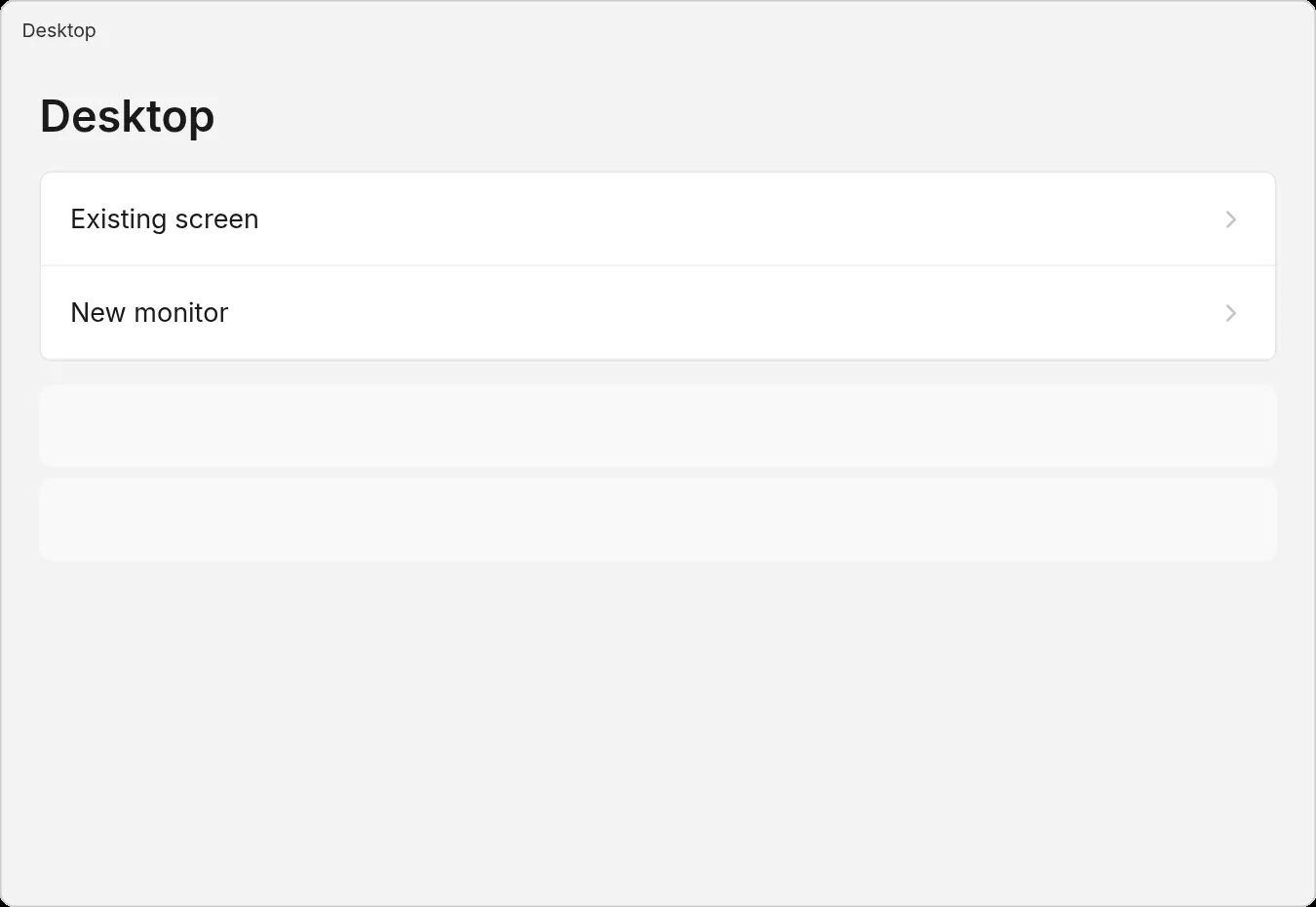
Let Windows detect it
Wait a few seconds. Windows usually detects a new monitor by itself.
STEP 3
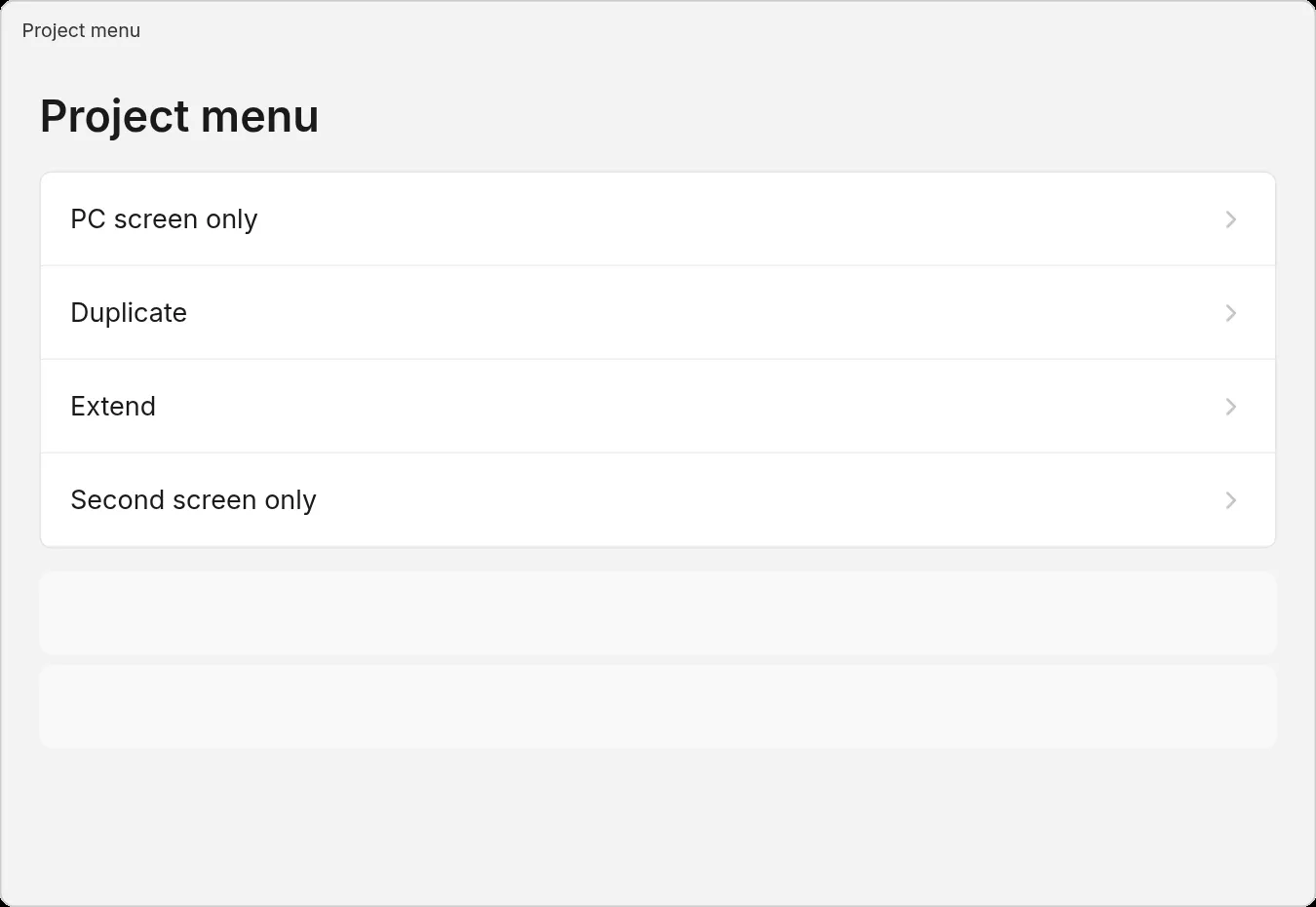
Open the Project menu
Press the Windows key and P together.
STEP 4
Choose Extend
Select Extend to use the monitor as extra space.
Want both screens to show the same thing? Choose Duplicate instead.
STEP 5
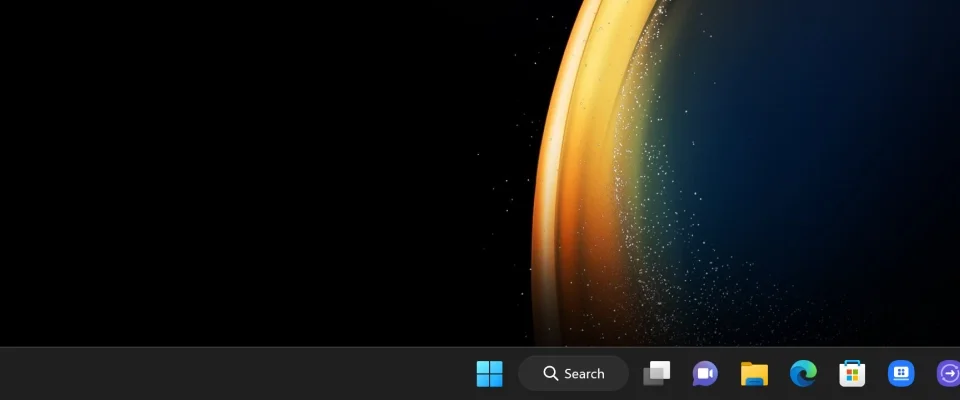
Open Start
Select the Start button (the Windows logo) on the taskbar.
STEP 6
Open Settings
Select Settings (the cog).
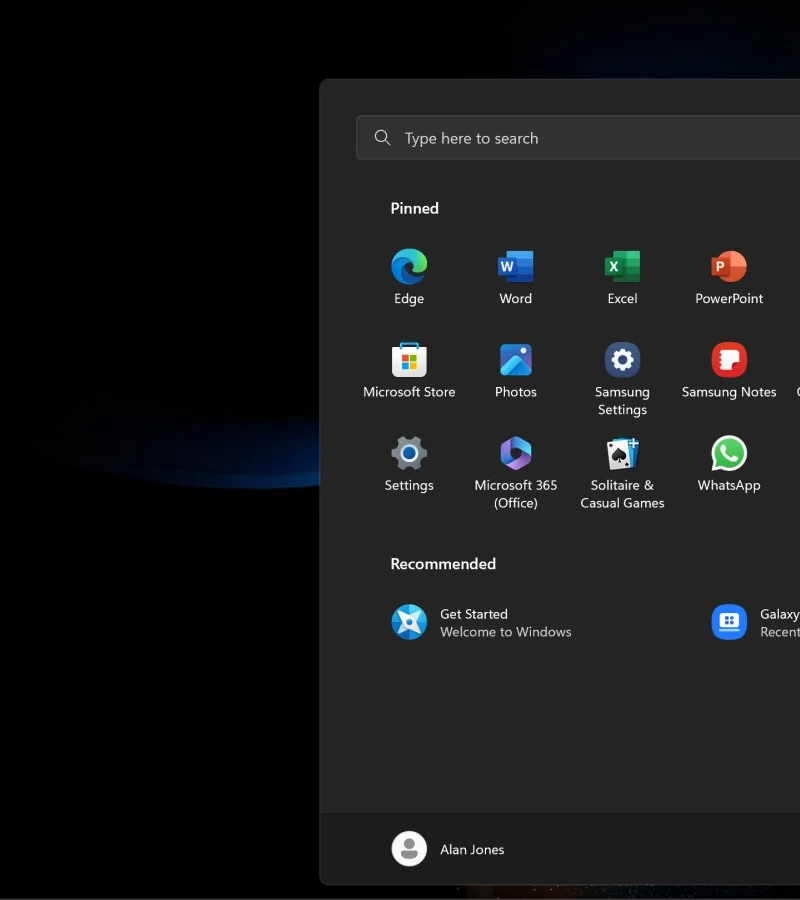
STEP 7
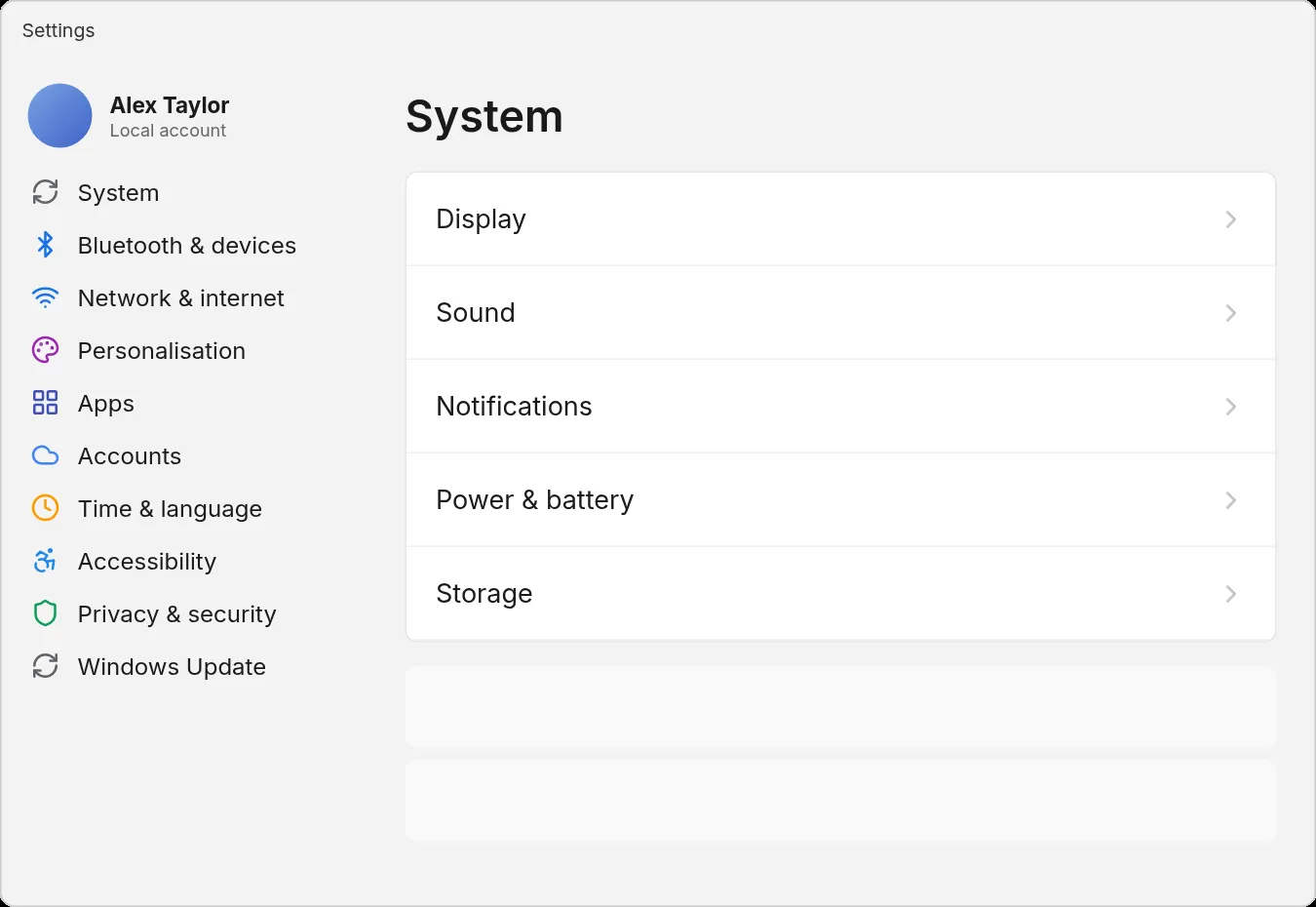
Open Display
Settings opens on the System page. Select Display.
If you see a Home page instead, select System on the left first.
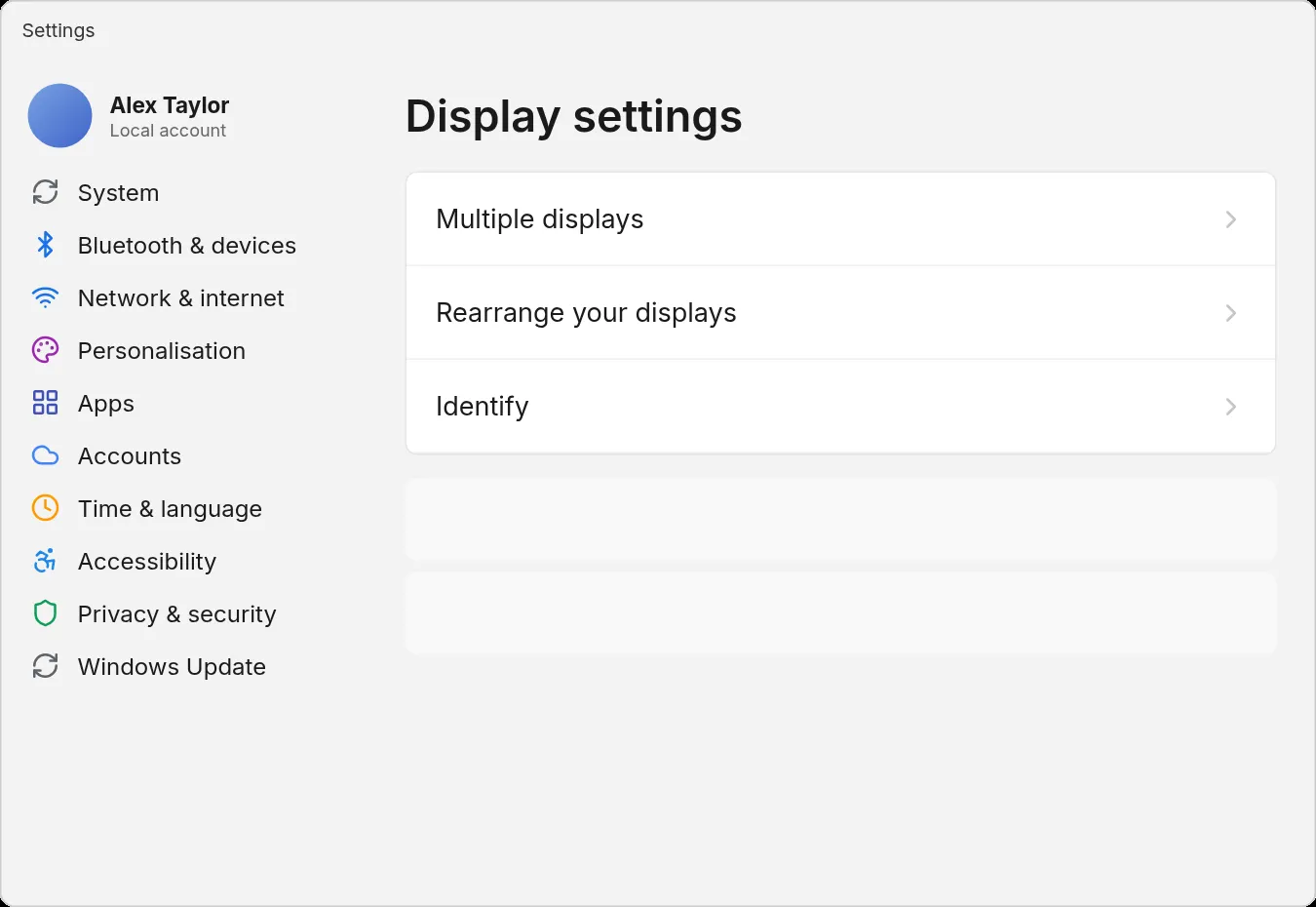
STEP 8
Arrange the screens
Drag the screen boxes to match how the monitors sit on your desk.
IF SOMETHING LOOKS DIFFERENT
A little help along the way.
Your menus may look different after an update. Look for the same control name and take your time.
I cannot find that option+
Check that this guide covers your device and software. If the names do not match, use the manufacturer’s instructions linked below for your model.
I need to go back a step+
Use Previous step or select a step number above. This changes the guide only; it does not undo anything on your device.
Are these pictures of my device?+
They are example screens showing exactly where to tap. Your names, apps, wallpaper and layout may look a little different, but the options you need are the same. Some pictures show what you should see after a step.